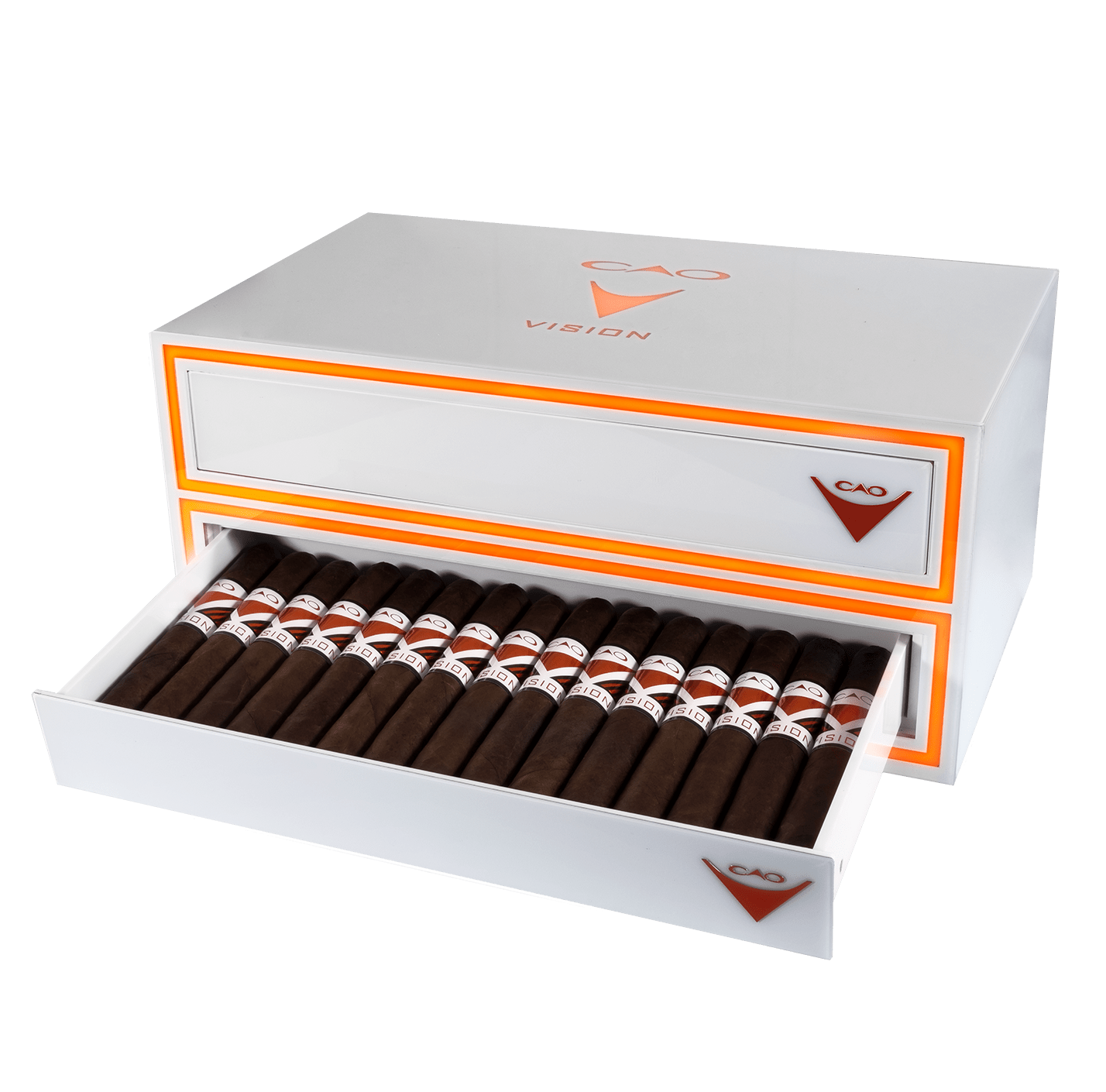
The CAO story begins not with a tobacco seed but with a pipe stem. Cano Aret Ozgener — a mechanical engineer born and raised in Istanbul, Turkey, who had come to America to study at Columbia University before building a career at DuPont — began tinkering with pipe stems in his Nashville, Tennessee basement in 1968, modifying mouthpieces and eventually crafting custom humidors that caught the attention of the luxury tobacco trade. By 1977 the hobby had become a calling: Ozgener left his engineering career entirely to focus on CAO International, named for his own initials, and spent the following decade building the company into a recognized name in high-end humidor craftsmanship. The transition to premium cigars came in 1995, when Ozgener partnered with master growers Nestor Plasencia in Honduras and Carlos Toraño in Nicaragua to launch CAO's first handmade cigar line — a move deliberately targeted at a younger generation of smokers who wanted something bold, contemporary, and unafraid to be different. The cigars found their audience quickly, and CAO found its identity: a brand that thought like an engineer and blended like an adventurer.

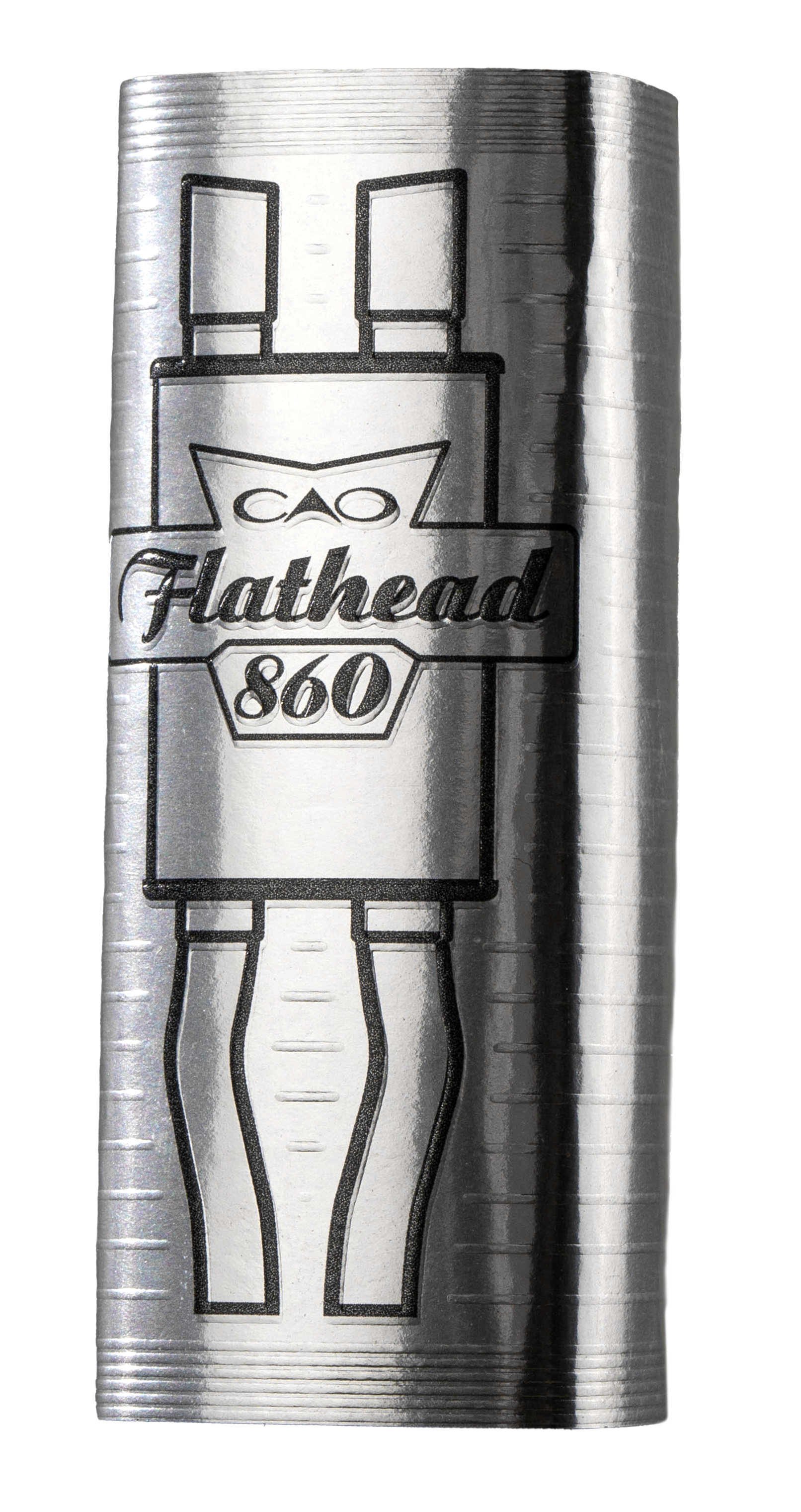
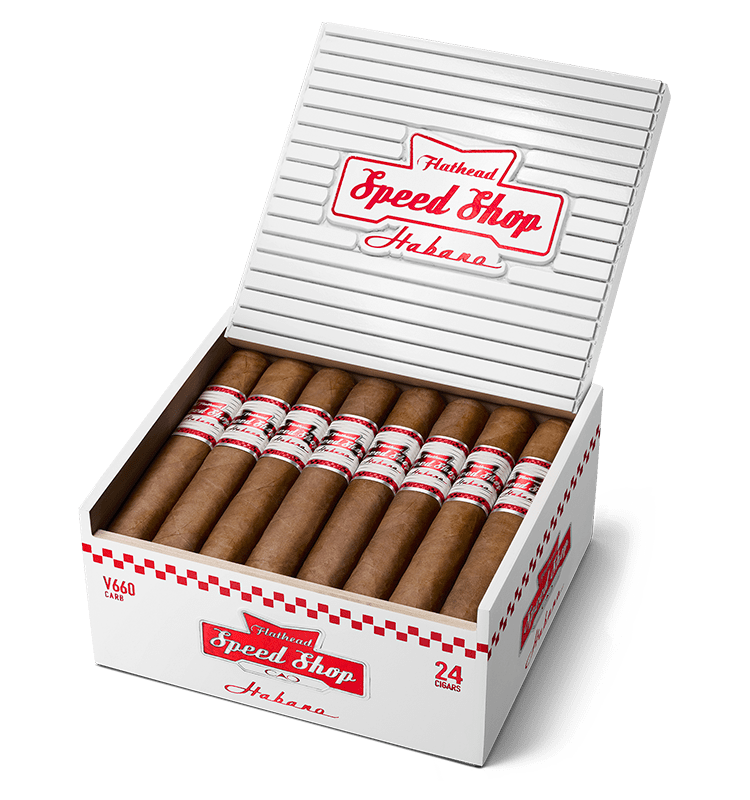
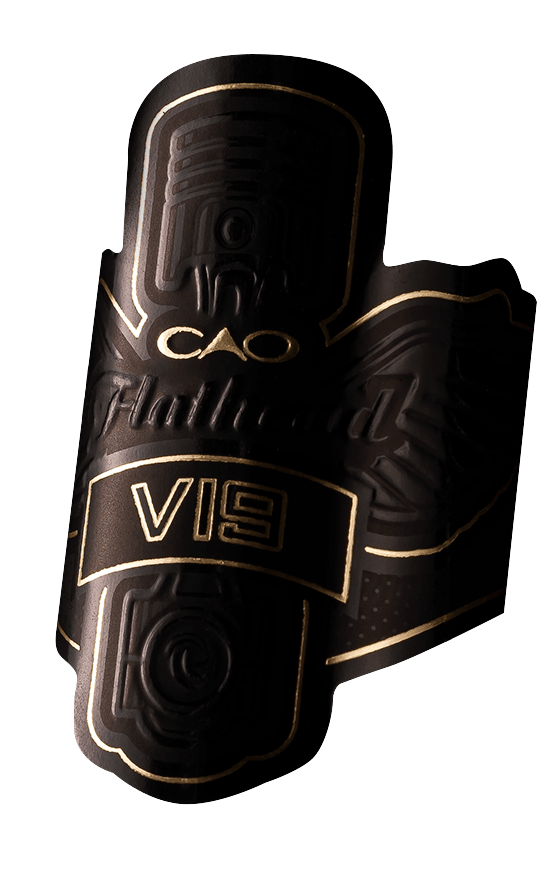
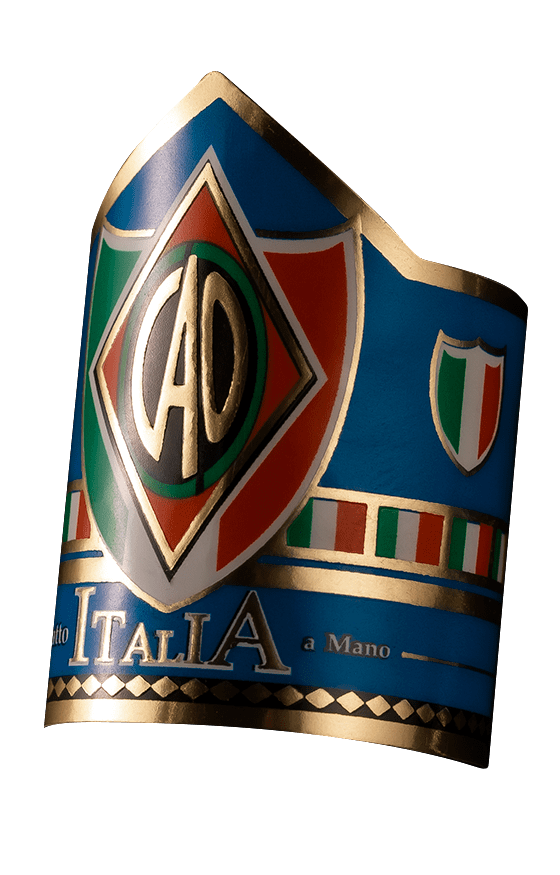
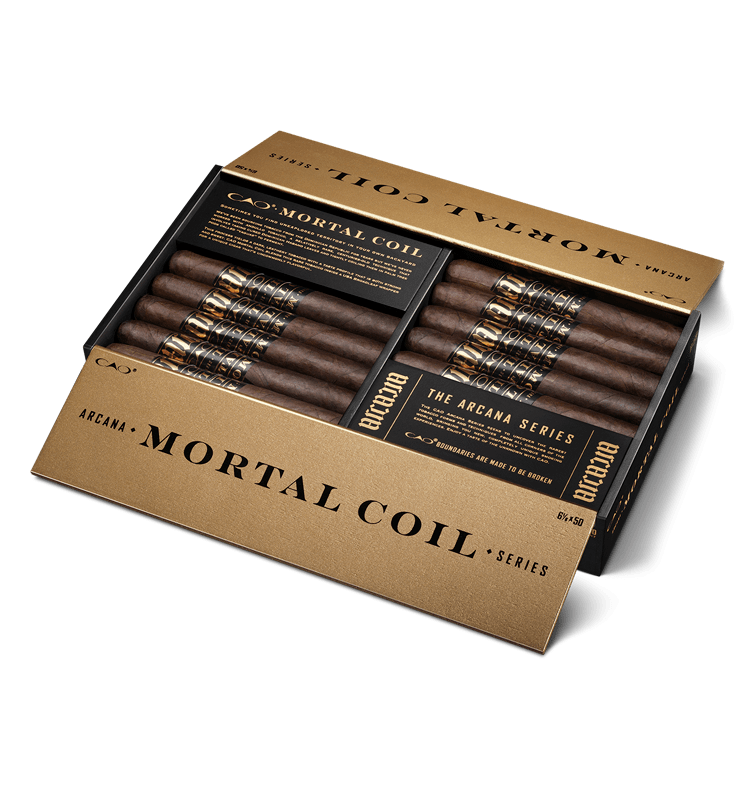
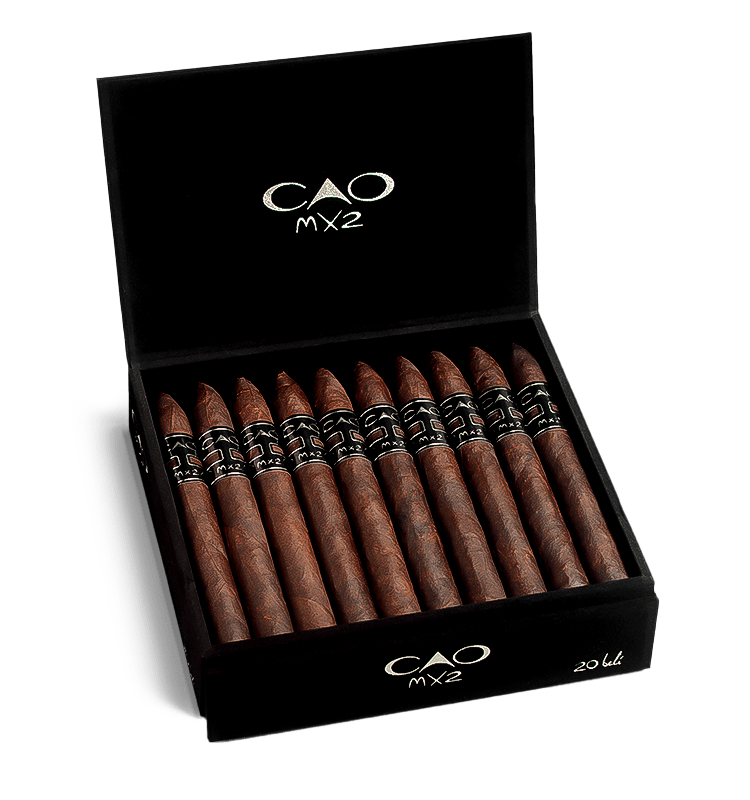
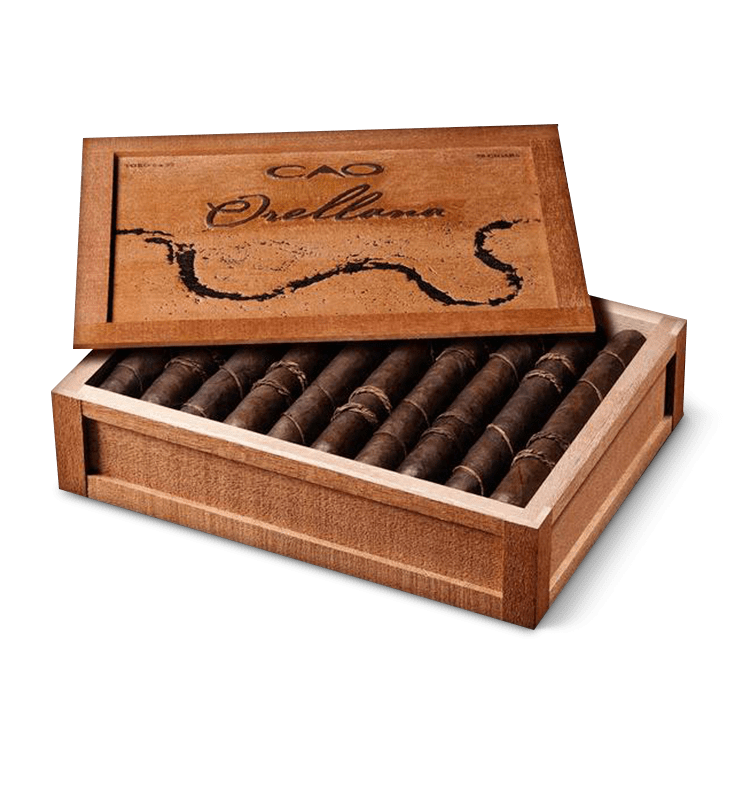
What followed through the late 1990s and 2000s — fueled by Tim Ozgener's creative energy alongside his father — was one of the most inventive runs of concept-driven blending in the modern premium cigar era. CAO humidors and cigars earned prominent placements in major motion pictures. The World Collection pushed the boundaries of what a premium cigar could be: CAO Italia featured Habano seeds grown in Italy, CAO Amazon Basin incorporated a rare wild Brazilian Bragança tobacco harvested from deep in the rainforest, and CAO America paid tribute to the country that gave the Ozgener family its second home. In 2007, the brand's success attracted the attention of Henri Wintermans — ultimately folding CAO into the General Cigar Company portfolio — but the spirit of curiosity and craftsmanship that Cano built in that Nashville basement has never left the brand. Today, beloved lines like the CAO Gold and the boldly box-pressed CAO Flathead carry forward the legacy of a Turkish-American engineer who proved that the most interesting cigars come from the most unexpected places.