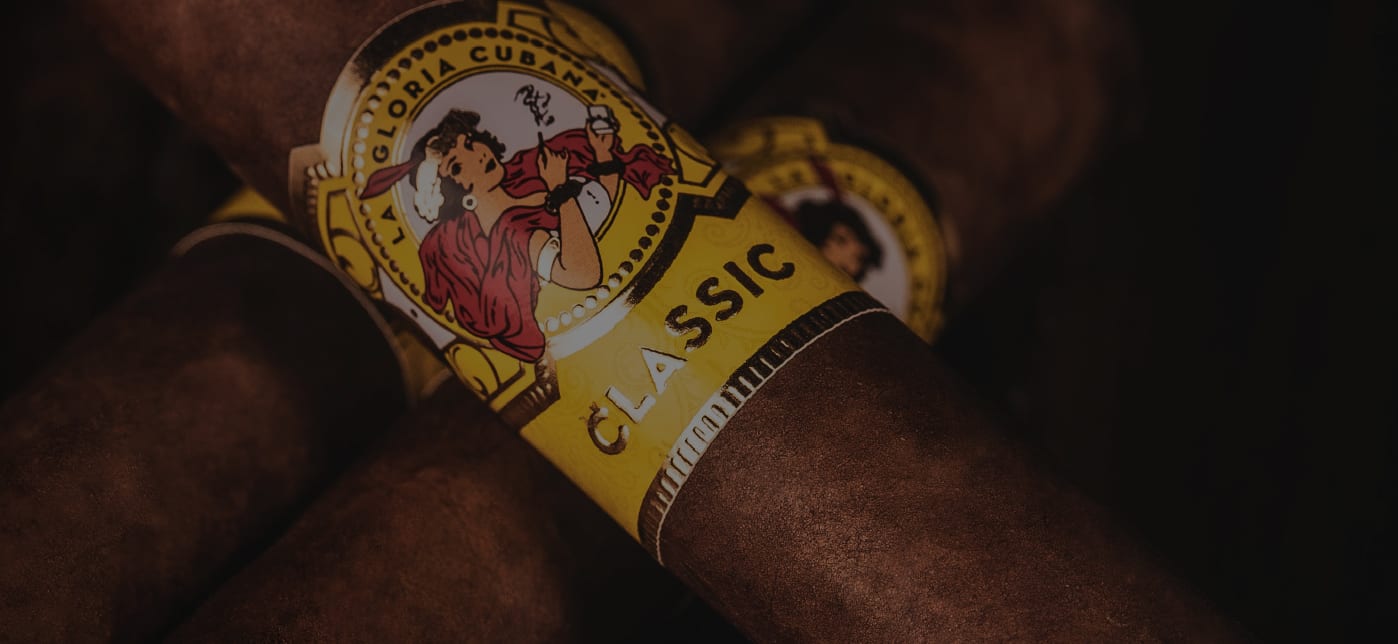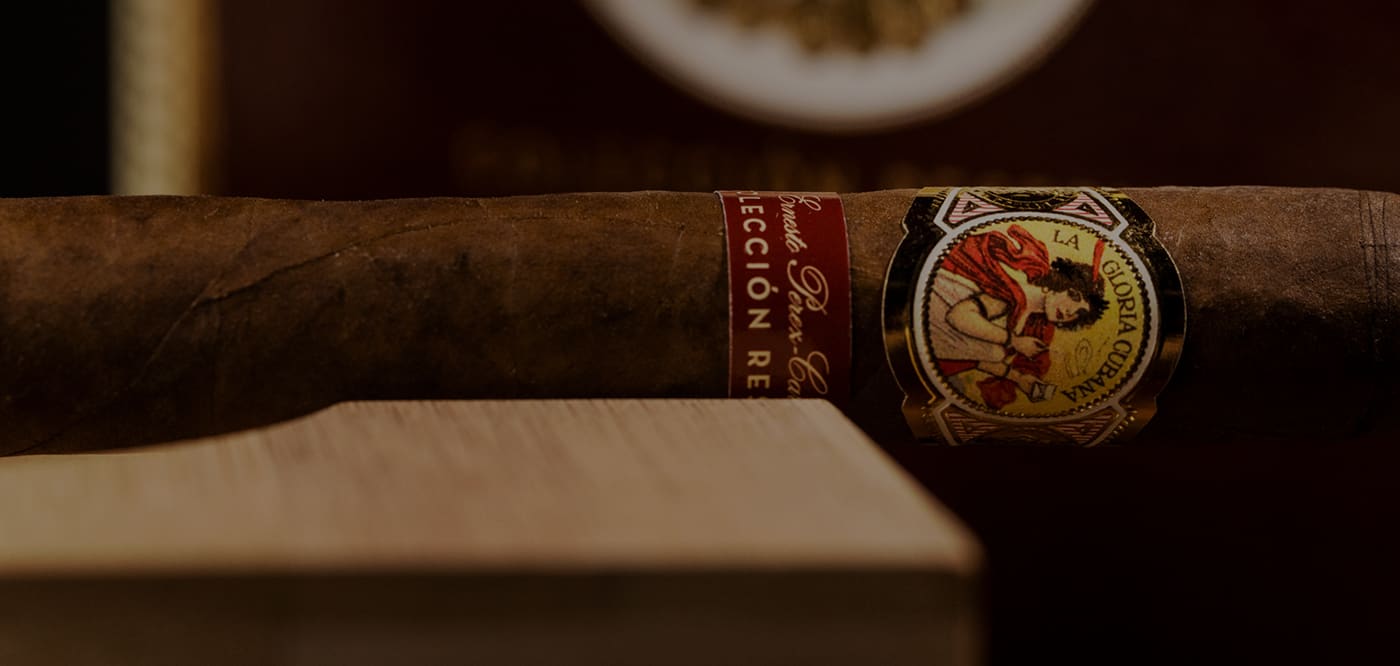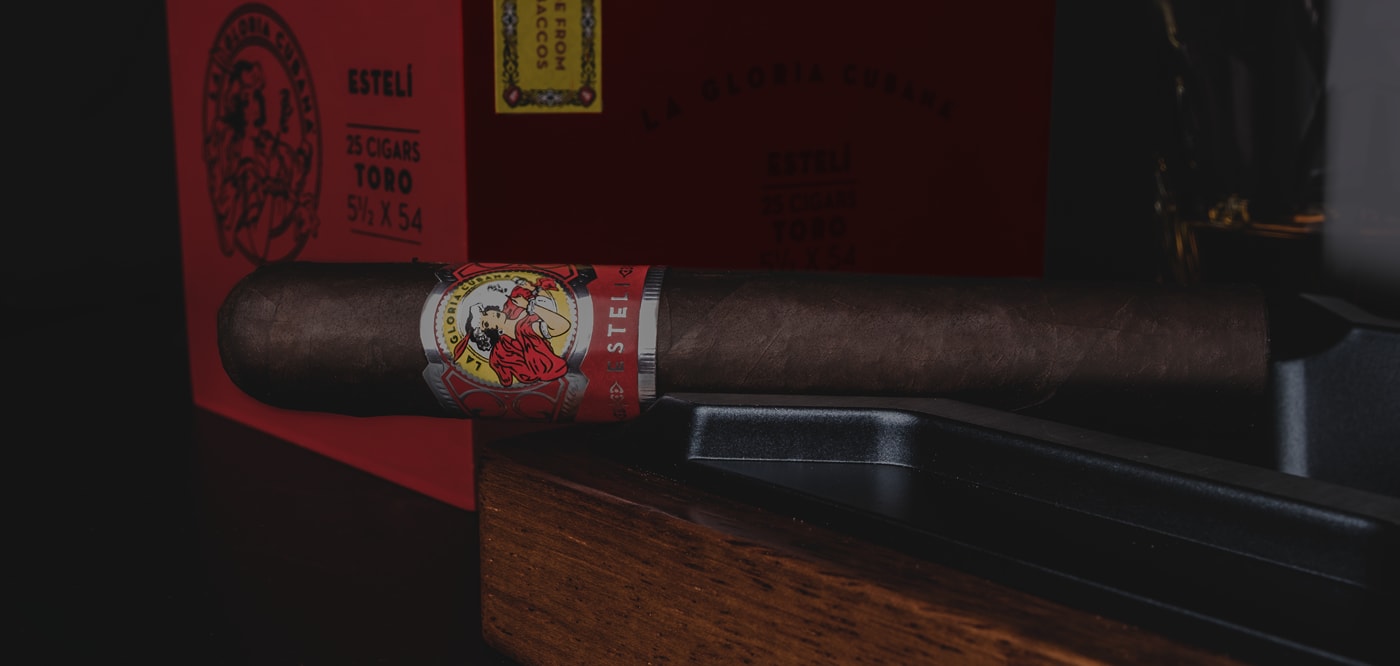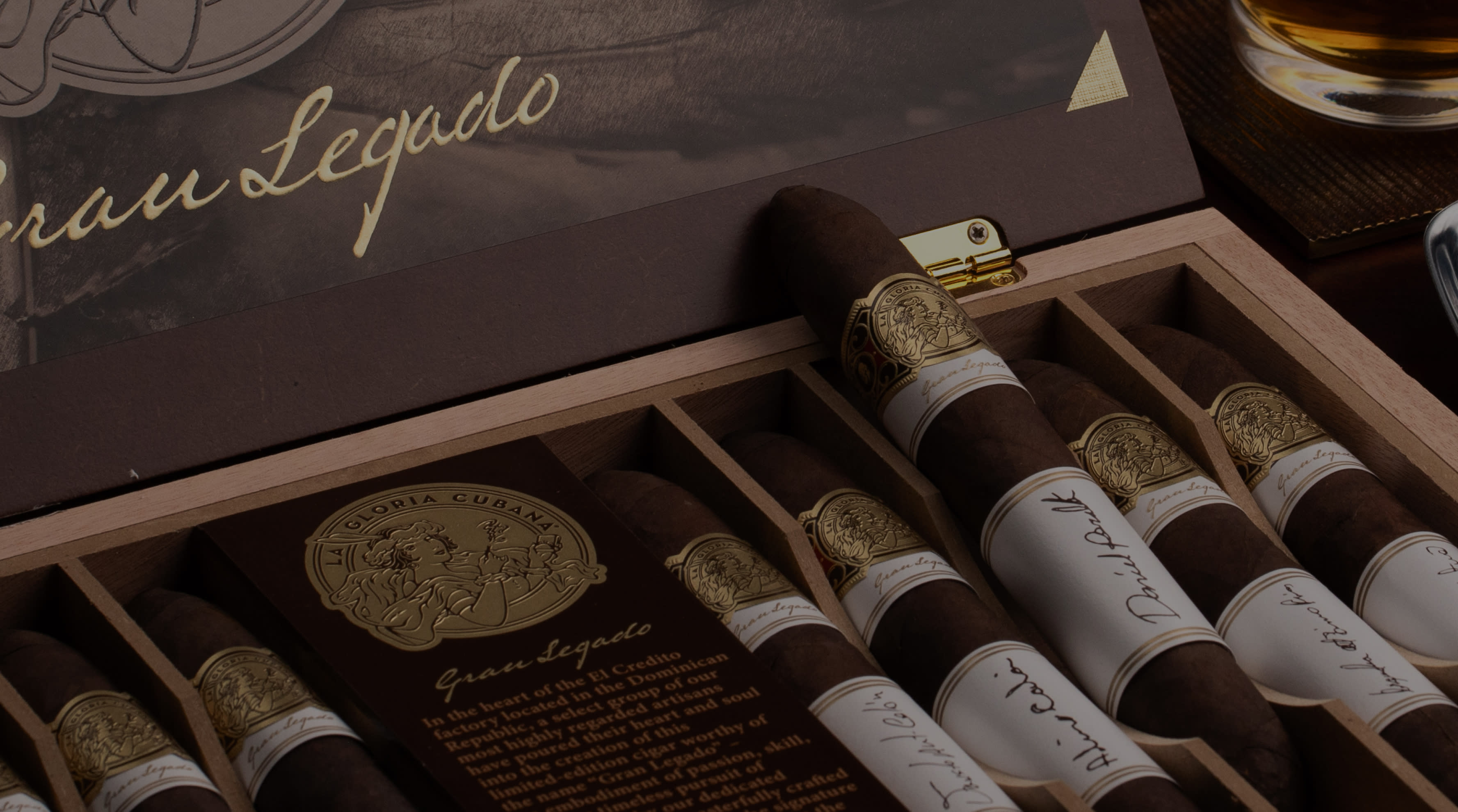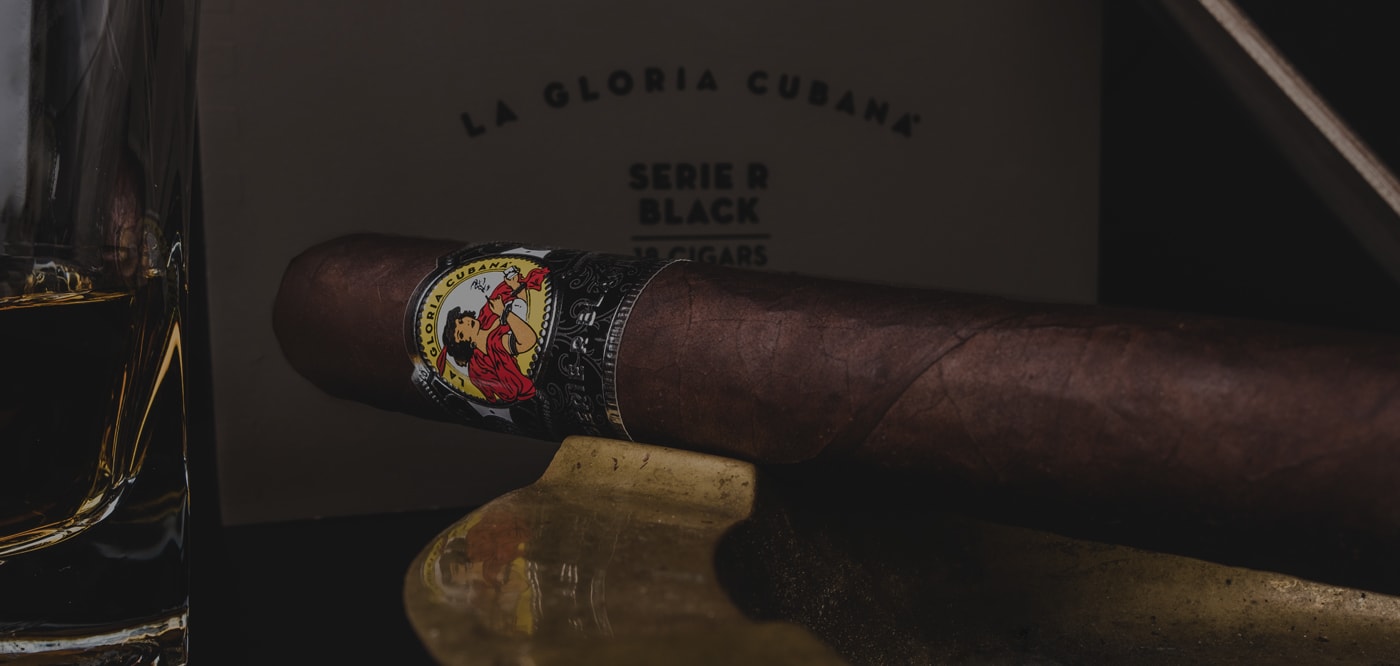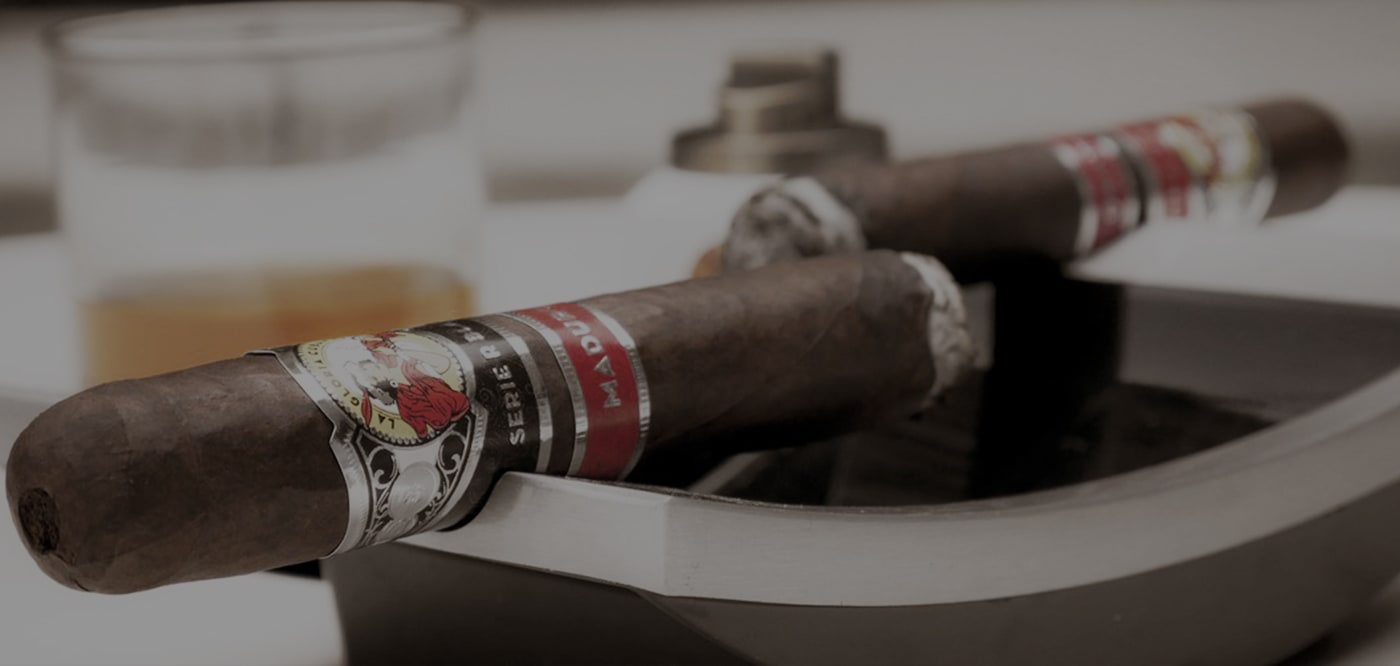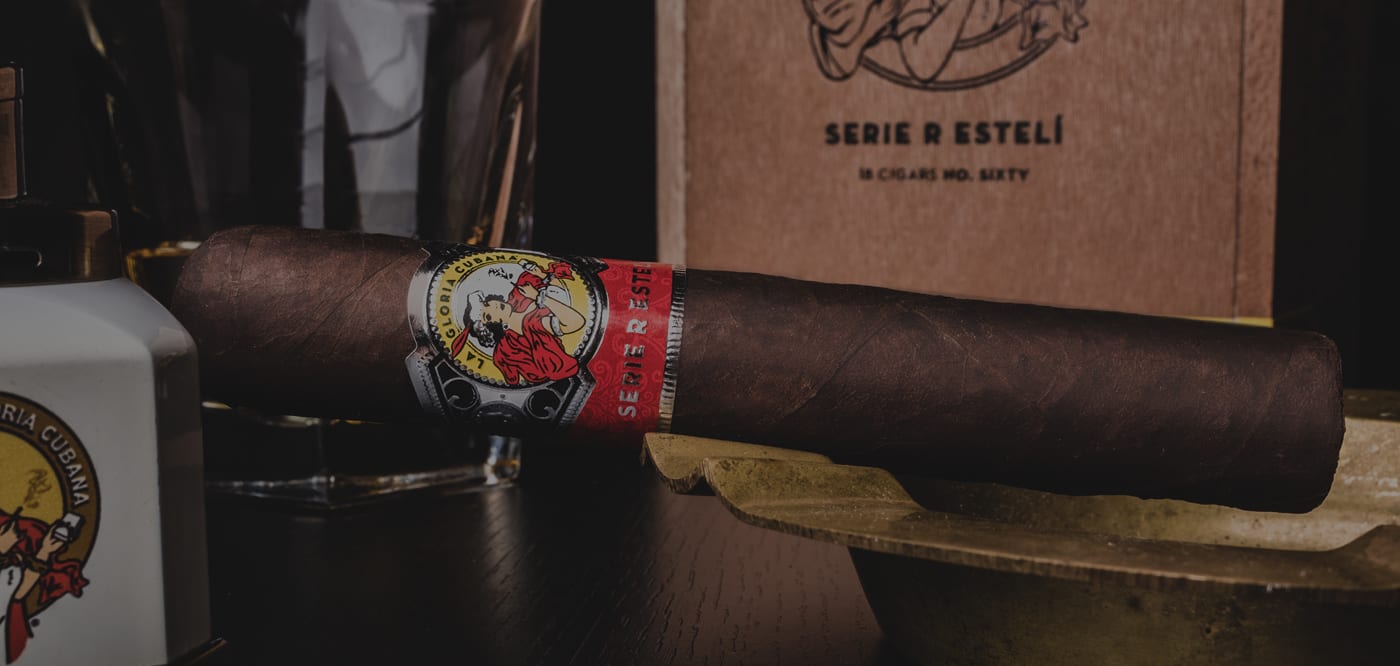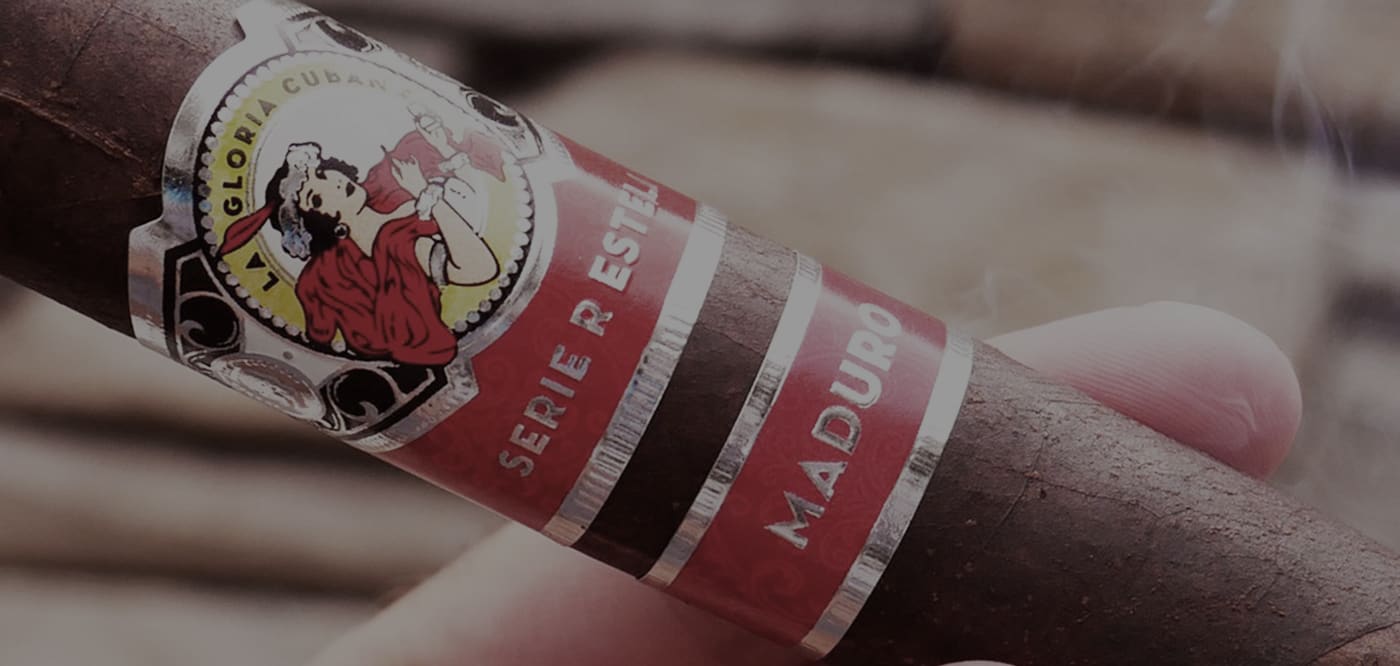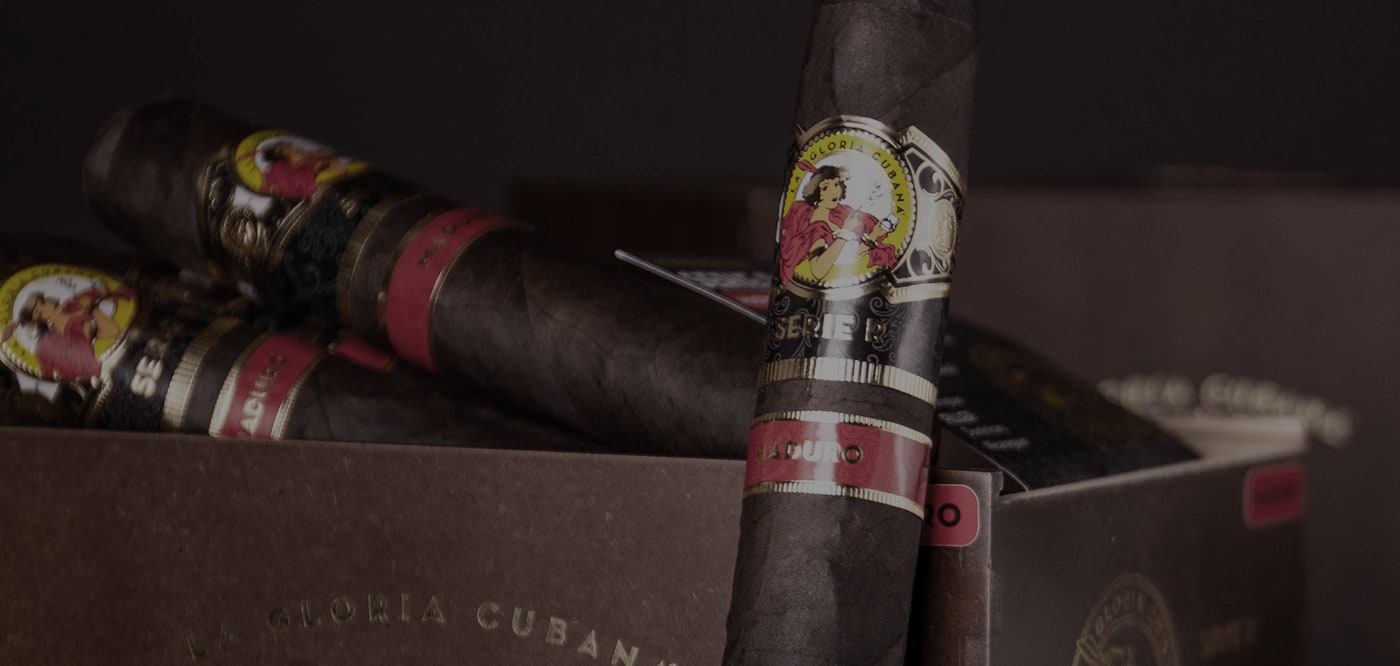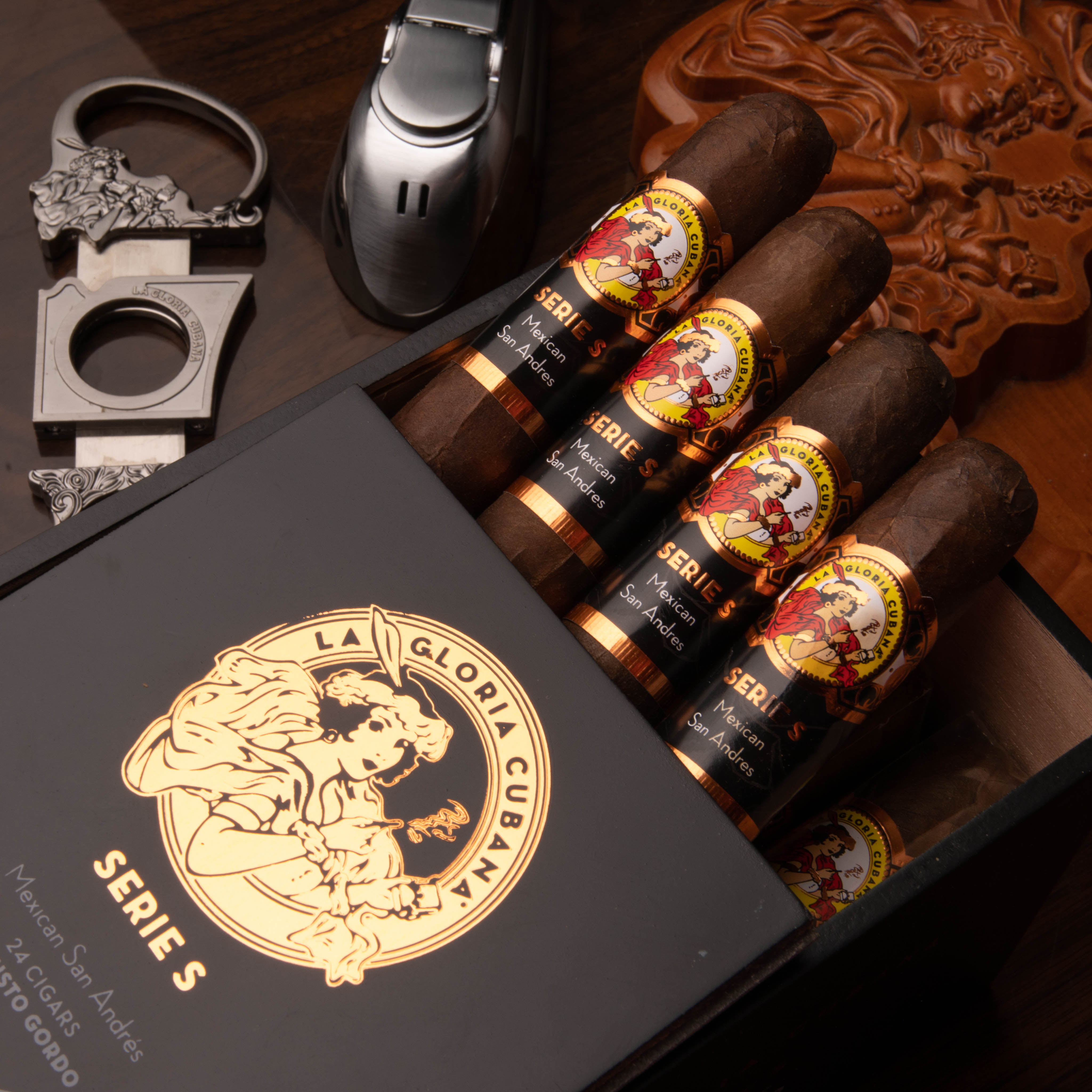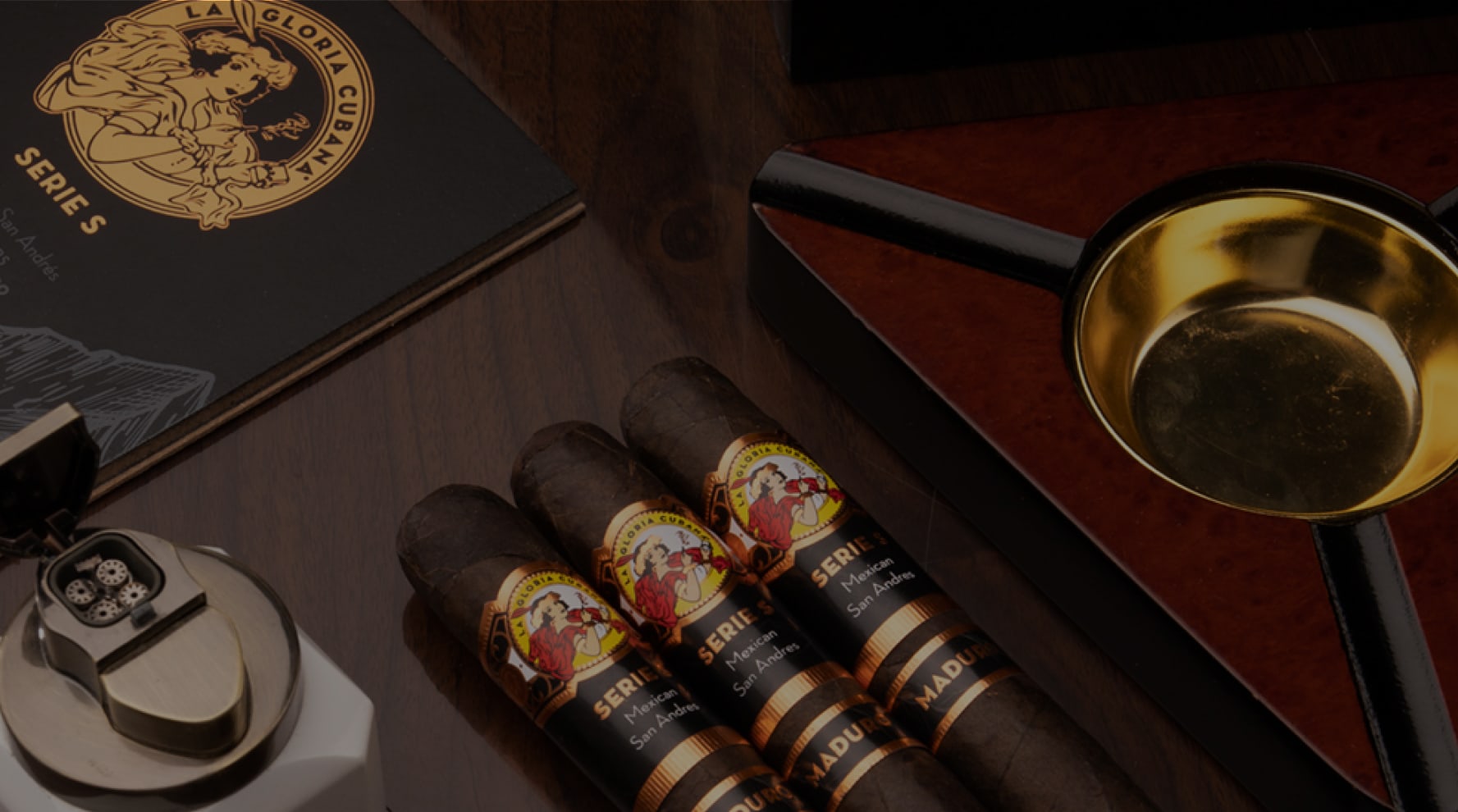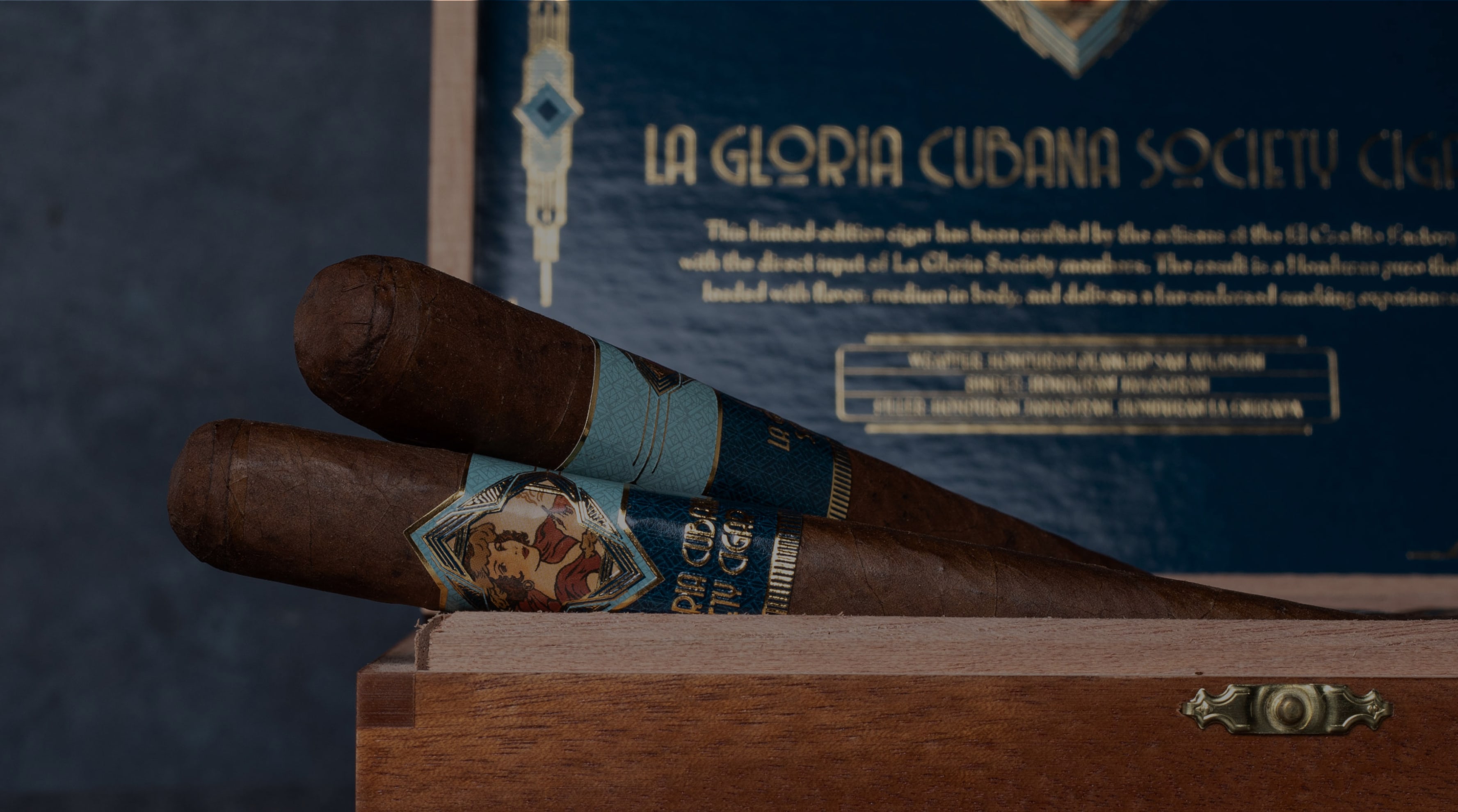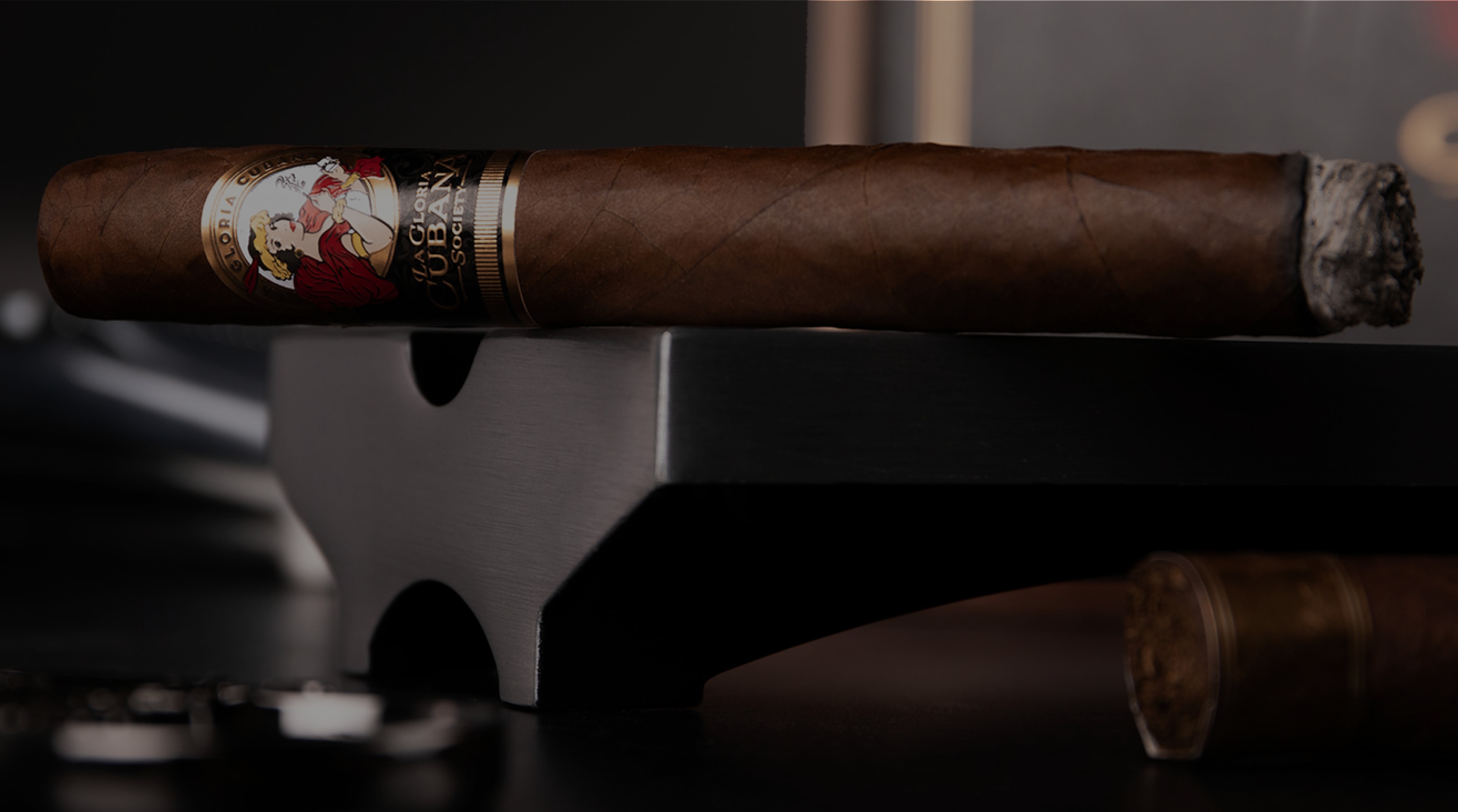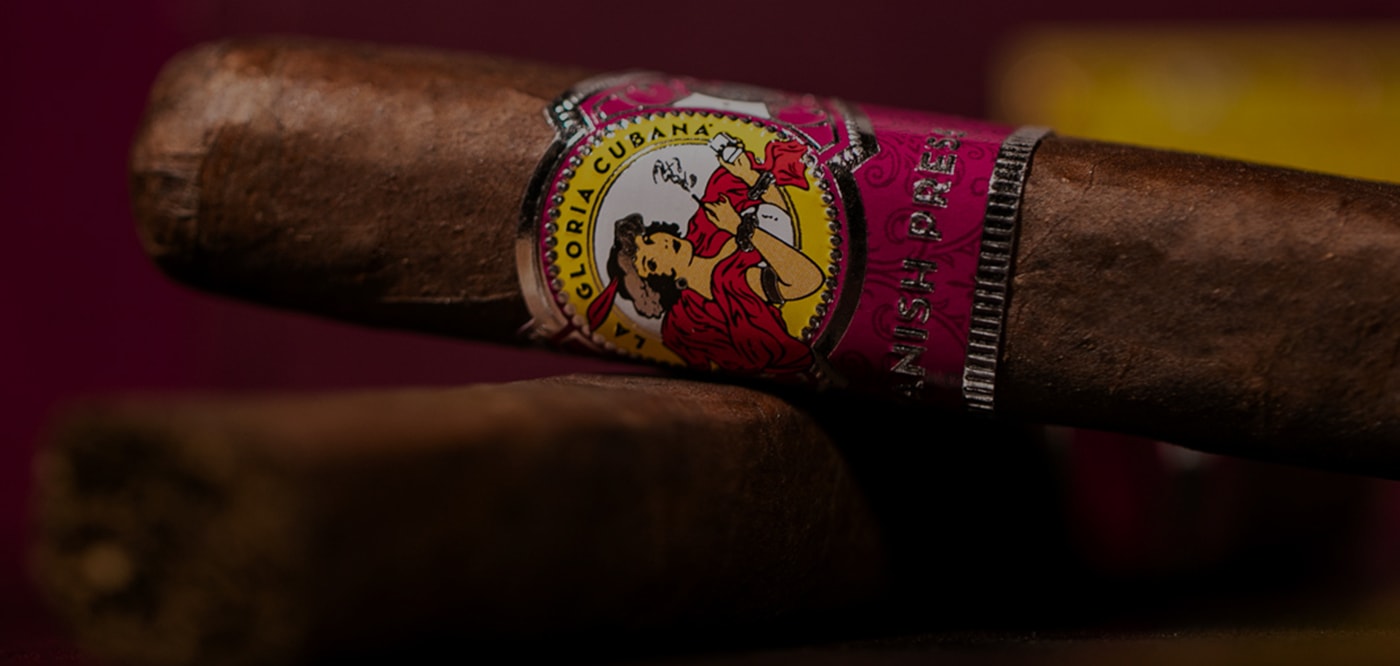
The name traces back to 1885 in Cuba, but the story that matters to American cigar lovers begins on Calle Ocho — Southwest 8th Street in Miami's Little Havana — where in 1972 Ernesto Perez-Carrillo Sr. quietly resurrected La Gloria Cubana at his small El Credito factory, rolling handmade cigars in the Cuban tradition for the exile community that had rebuilt its world just blocks away from where he worked. For years it remained exactly that: a neighborhood treasure, Little Havana's best-kept secret, known to locals and virtually no one else. When Ernesto Jr. took over after his father's passing in 1980, he inherited both the legacy and the obscurity — until a bold instinct led him to completely reformulate the blend in 1990, wrapping a new recipe in a rich Ecuadorian Sumatra leaf over Nicaraguan and Dominican fillers. Two years later, in the debut issue of Cigar Aficionado in 1992, the La Gloria Cubana Wavell scored a 90-point rating — one of the first cigars ever rated by the publication — and overnight, the neighborhood secret became a national sensation. Orders flooded in faster than a Little Havana factory could possibly fill them.
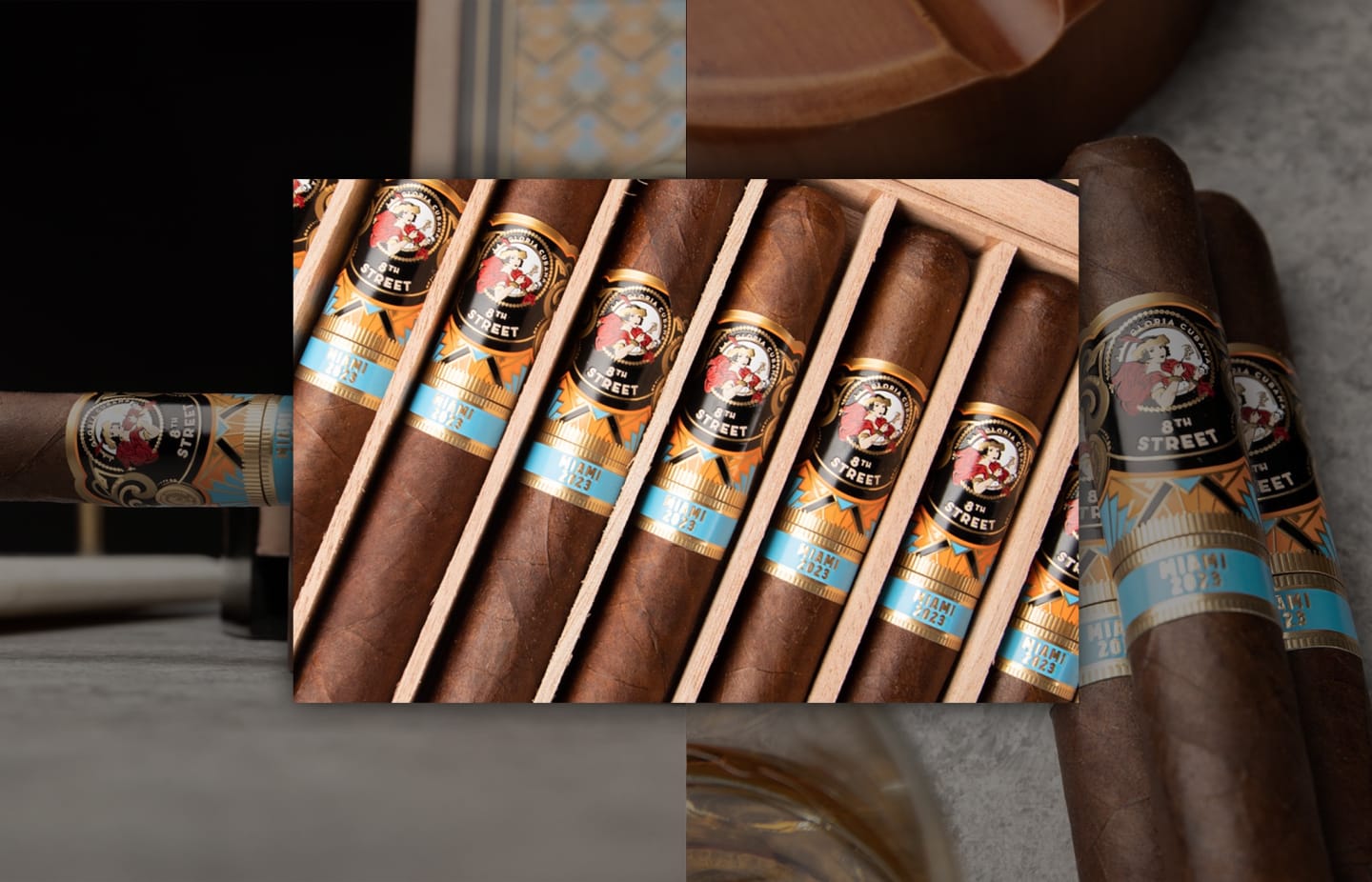
That breakthrough moment set off a chain of events that would define the brand's trajectory for decades. Production expanded to the Dominican Republic in 1996 to meet demand, and in 1999 General Cigar Company acquired the brand from the Perez-Carrillo family — eventually moving standard production fully overseas and into the broader General Cigar portfolio, where it resides today. But the soul of La Gloria Cubana has never strayed far from Calle Ocho: General Cigar has periodically honored the brand's Miami origins through limited-edition releases hand-rolled at the boutique El Titan de Bronze factory in Little Havana, including the Artesanos de Miami in 2008 and the celebrated 8th Street release in 2022 and 2023 — cigars that bring the story back to the block where it all started. For the aficionado who knows the history, every La Gloria Cubana carries the echo of that small factory, that legendary street, and the family that turned a neighborhood cigar into an American icon.