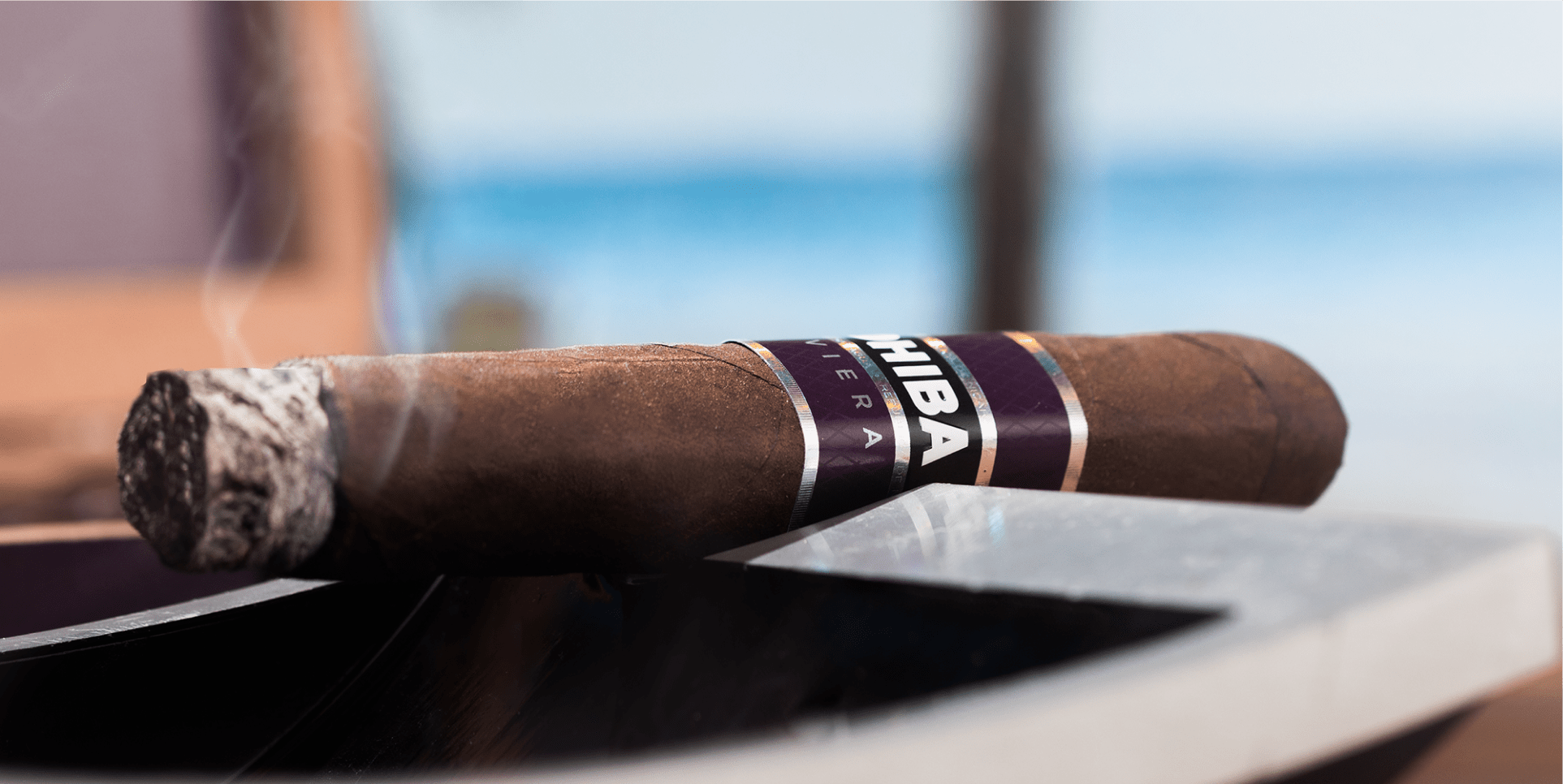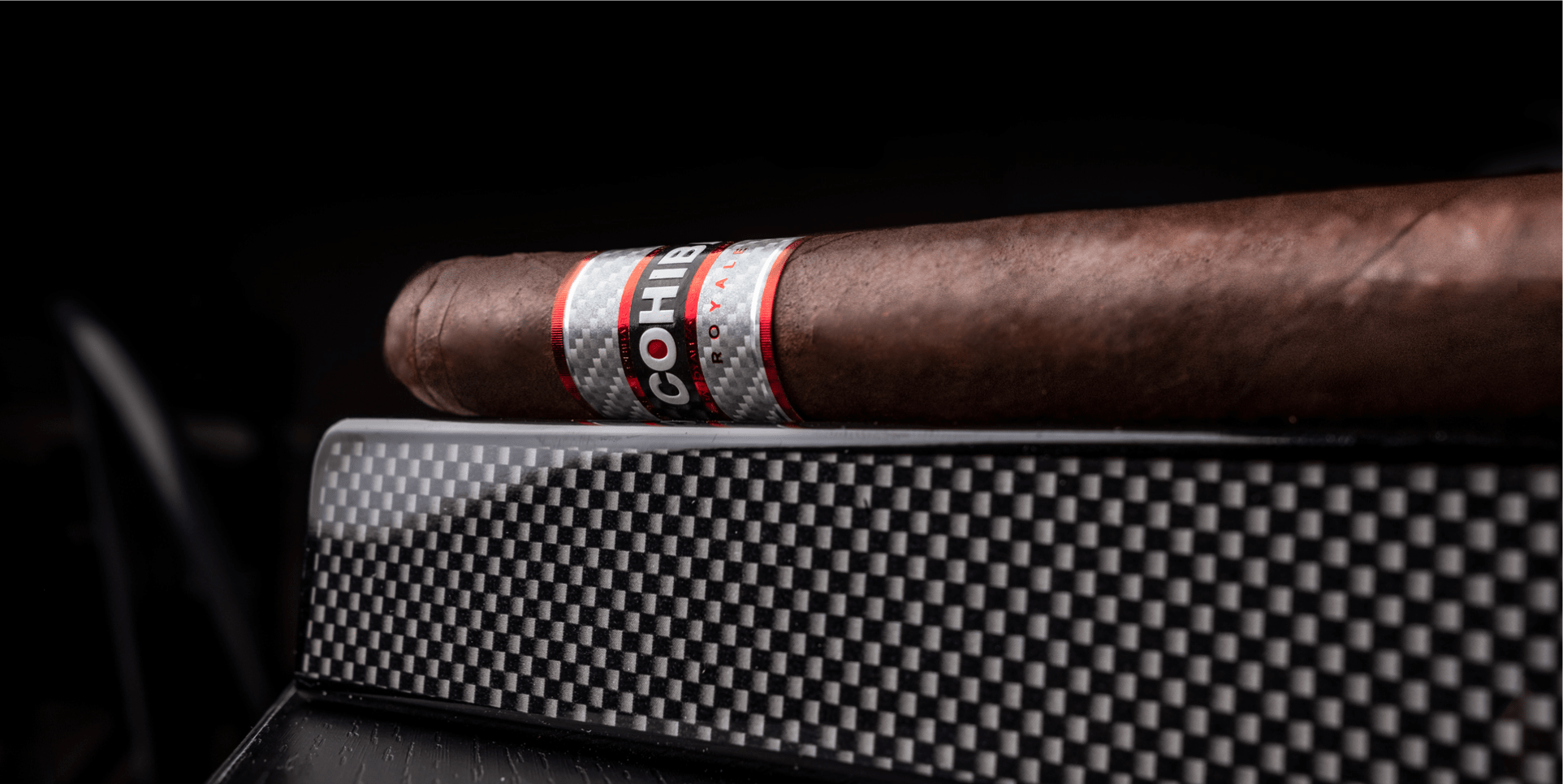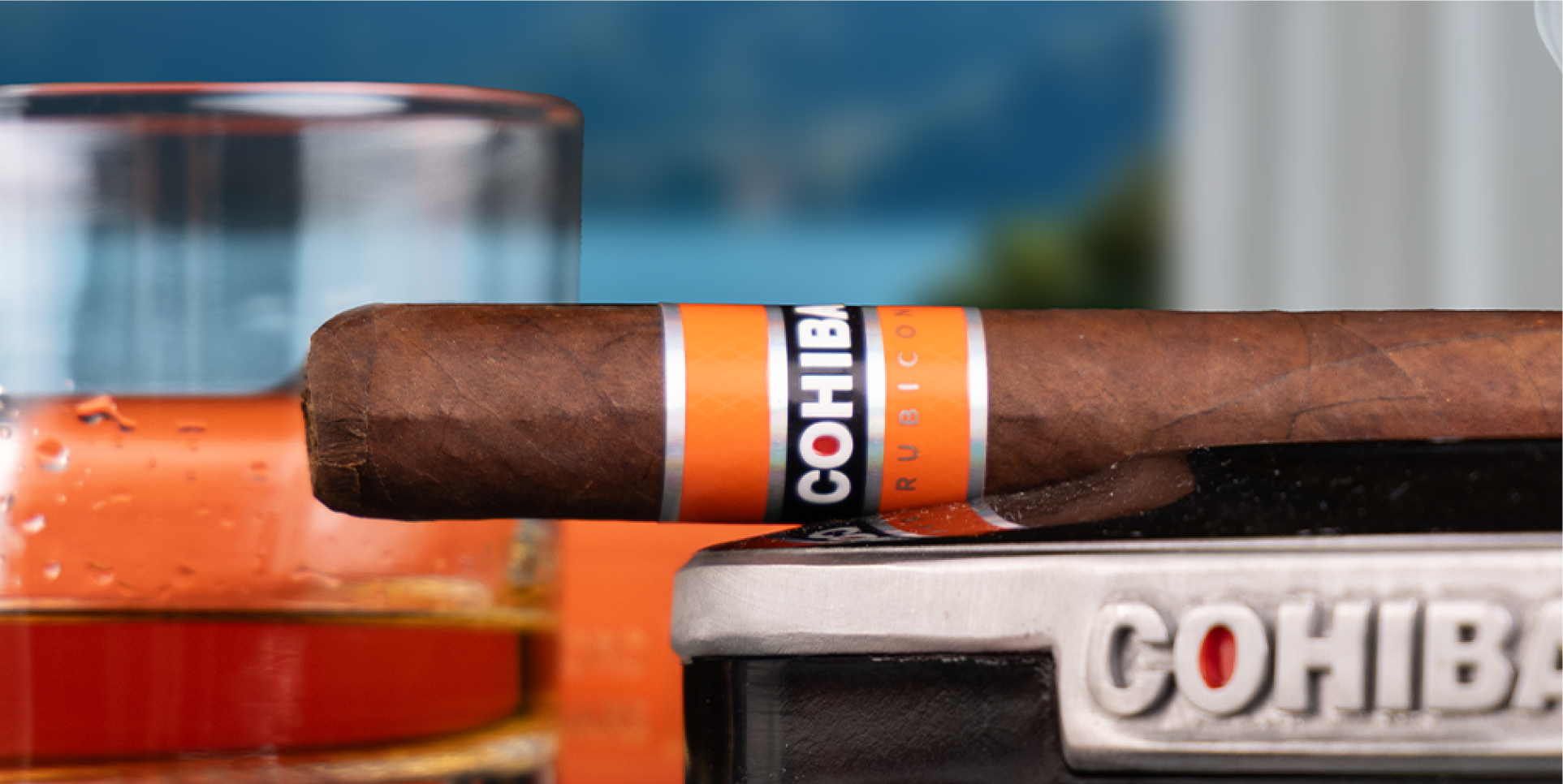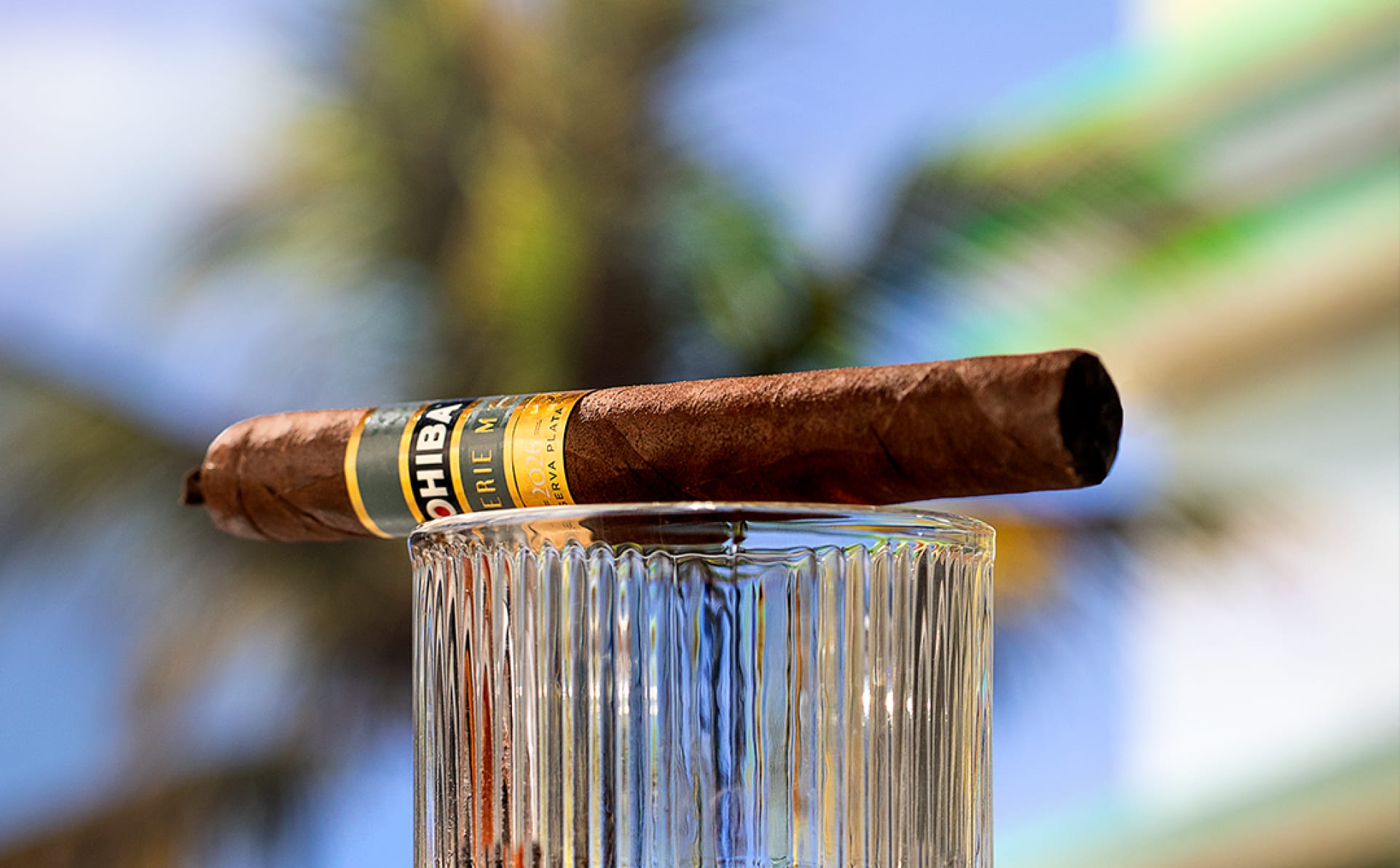
Few names in the cigar world carry more weight than Cohiba — and few stories in the industry are more complicated. The Cuban Cohiba was born in 1966 as Fidel Castro's personal cigar, blended in secret at El Laguito and reserved exclusively for diplomatic gifts and heads of state before eventually reaching the public market. When the U.S. embargo against Cuba closed the American market to Cuban tobacco entirely, General Cigar Company made a calculated and consequential move: in 1978, they registered the Cohiba trademark in the United States and began producing their own distinct Dominican interpretation — a cigar that shares the iconic name but is entirely its own creation, containing no Cuban tobacco and built on a completely different blend. That trademark registration set off one of the longest-running legal battles in the history of the tobacco industry, with Cubatabaco — the Cuban state-owned cigar entity — challenging General Cigar's rights to the name in U.S. courts for decades. American courts have consistently upheld General Cigar's claim, ruling that the trademark remains theirs unless and until the U.S. trade embargo is lifted.
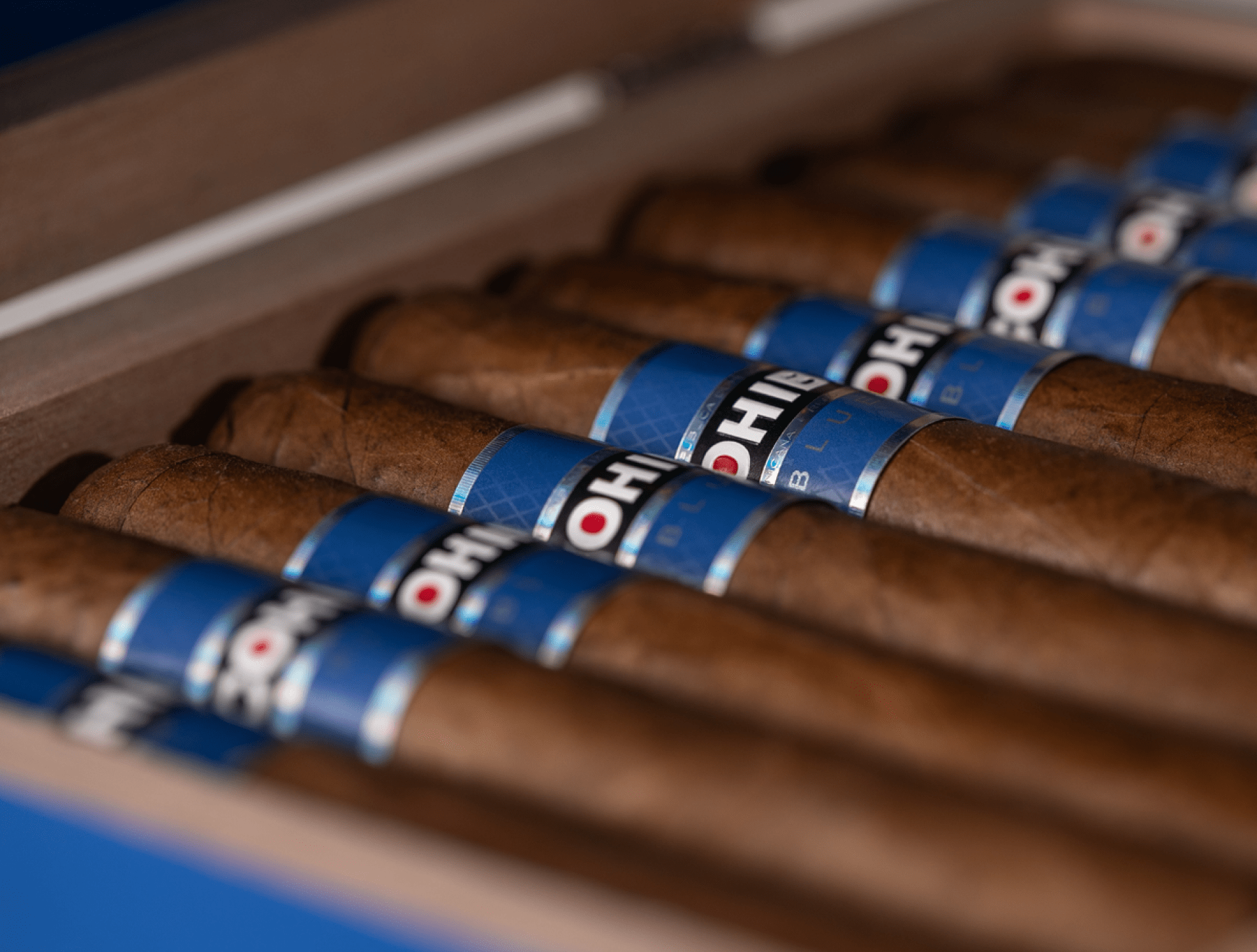
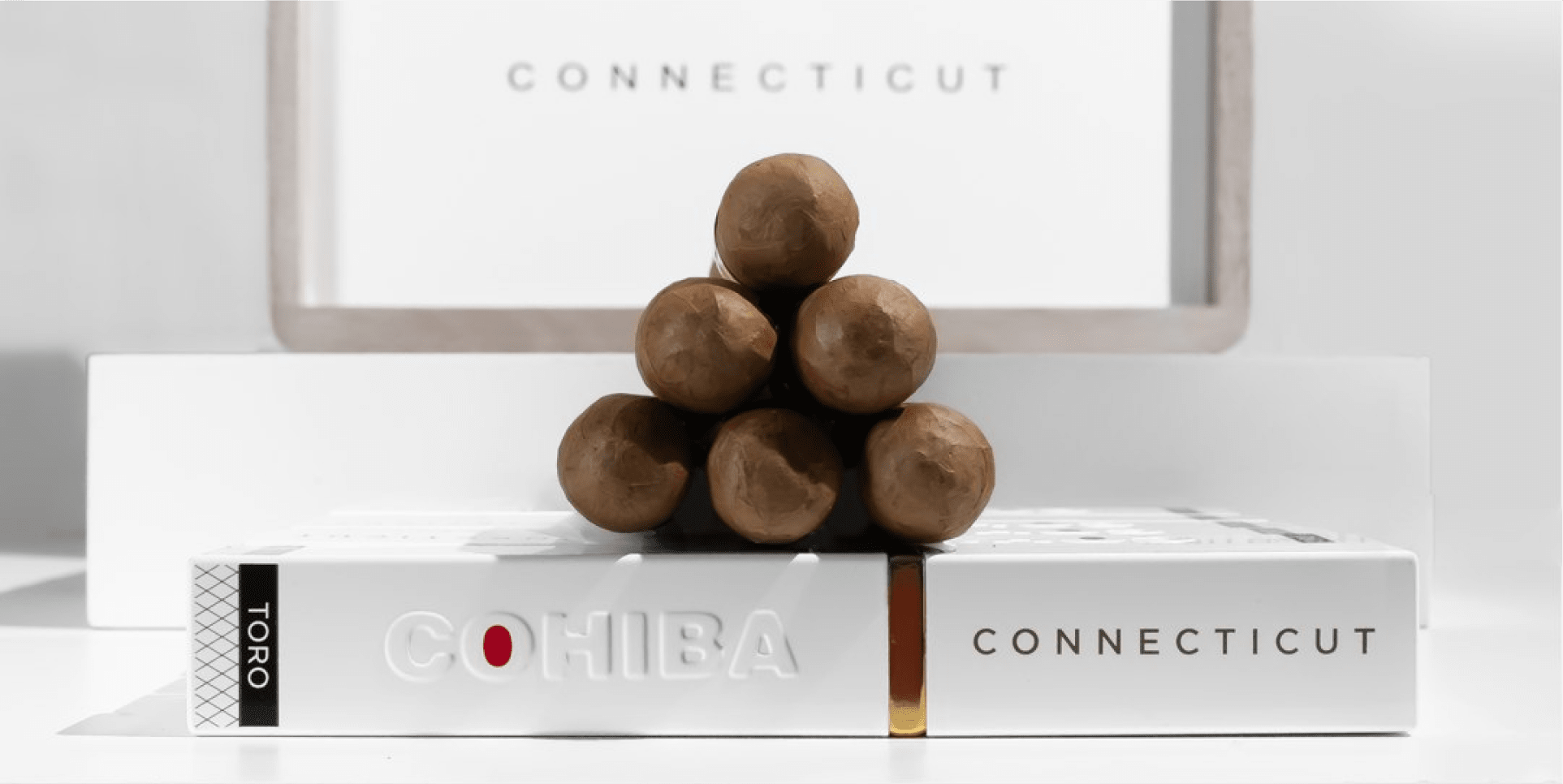
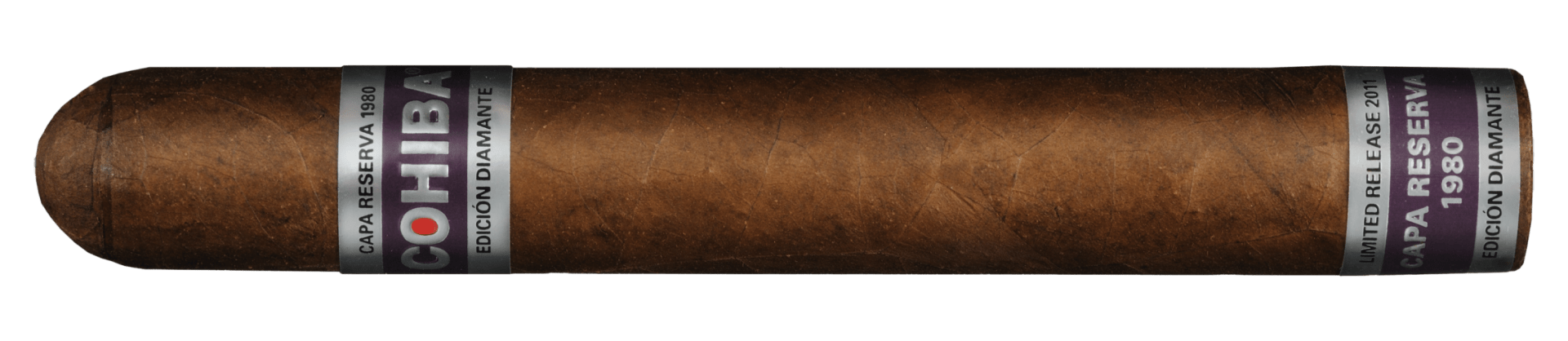
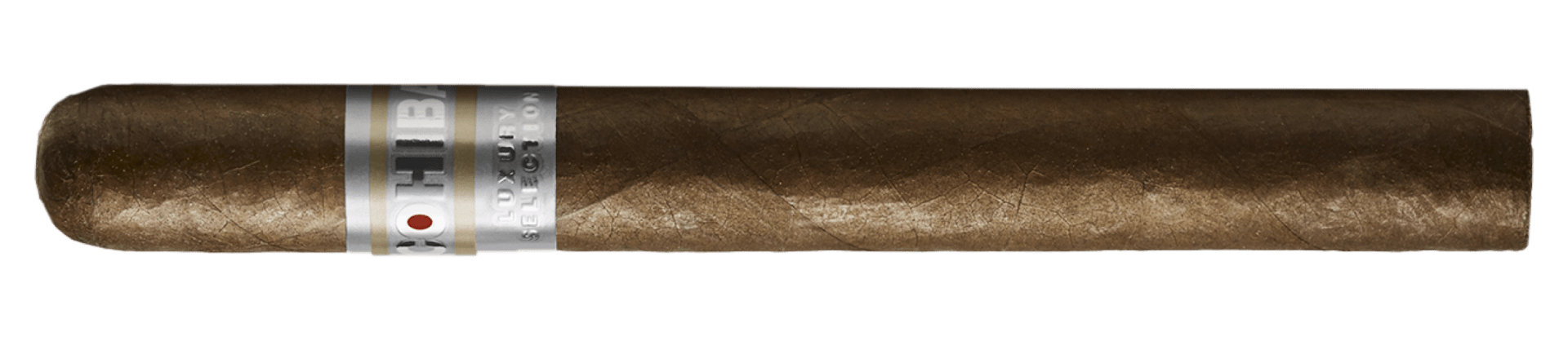
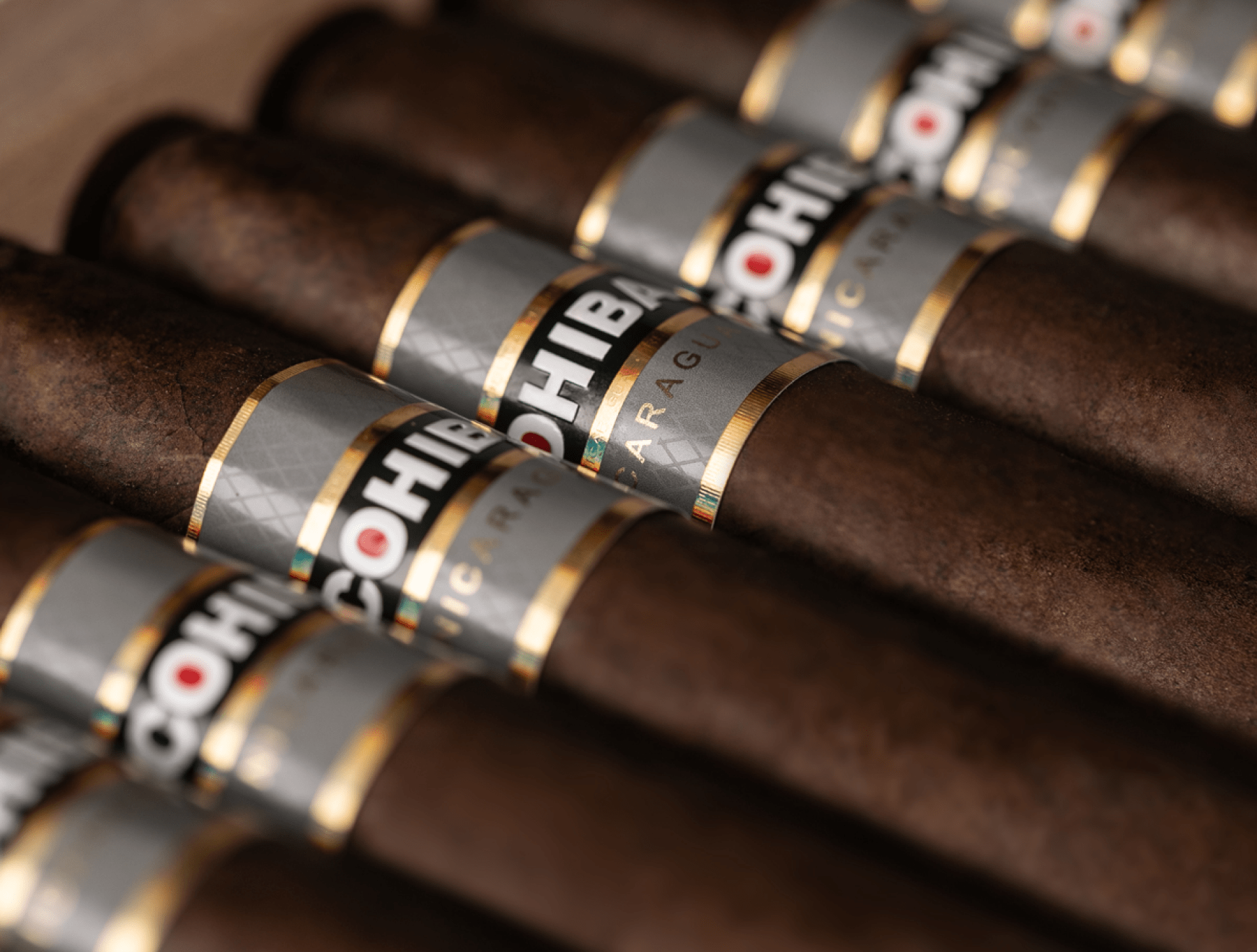
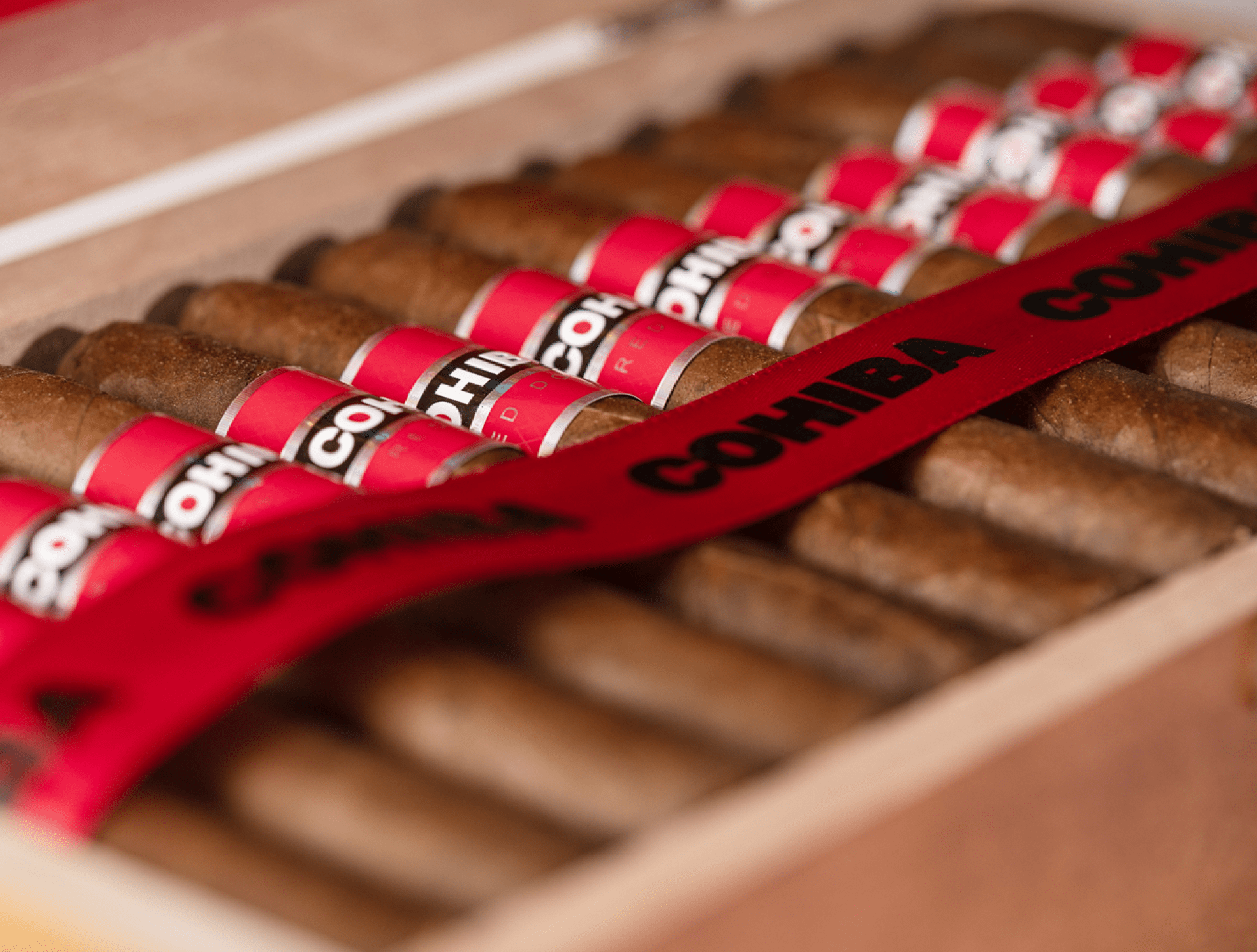
The Dominican Cohiba — known affectionately among aficionados as the "Red Dot Cohiba" for the distinctive crimson circle on its band — built its American identity on a flavor profile distinctly its own: a smooth, aromatic Cameroon wrapper over an Indonesian Jember binder and a blend of Dominican Piloto Cubano filler that delivers a creamy, medium-bodied experience with none of the earthiness associated with its Cuban counterpart. The brand expanded heavily during the cigar boom of the 1990s and has since grown into a multi-line portfolio that includes the approachable Cohiba Blue and the bolder, fuller-bodied Cohiba Nicaragua — broadening the brand's reach across the strength spectrum. For American smokers, the Dominican Cohiba occupies a singular position: the only version of the world's most famous cigar name they can legally purchase, produced by a company that has defended that right in court for nearly half a century.