The Eiroa family's relationship with tobacco didn't begin with a brand launch or a blending session — it began in the fields. The family has been growing tobacco in Honduras since the early 1960s, and Christian Luis Eiroa grew up on the family's El Corojo farm, learning the land and the leaf from his father Julio before most kids his age knew what a curing barn was. That foundation in the soil is what made Christian's eventual rise through the industry so formidable: when he took the reins at Camacho Cigars, he transformed it from a regional Honduran operation into one of the most recognized and respected premium cigar brands in the American market — building Camacho's reputation on the back of the same Authentic Corojo tobacco his family had been perfecting for decades. When he sold Camacho to the Oettinger Davidoff Group in 2008, it was the end of one chapter — and the starting gun for something entirely his own.
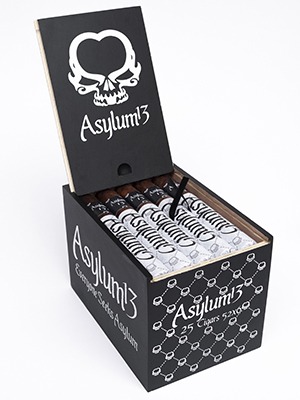
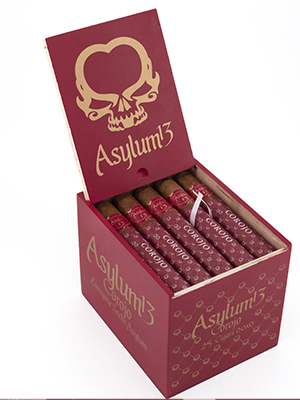
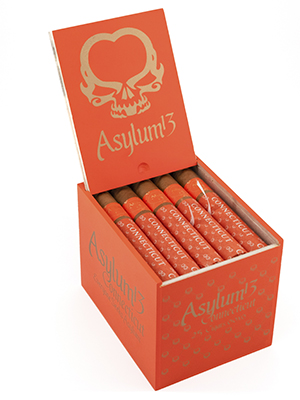
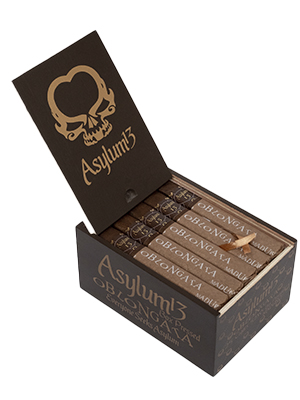
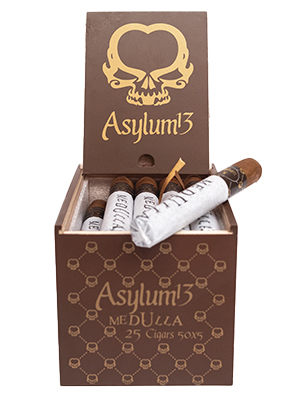
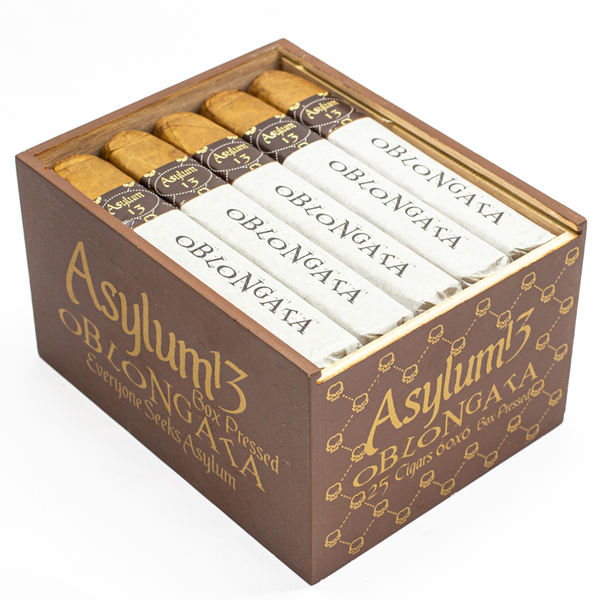
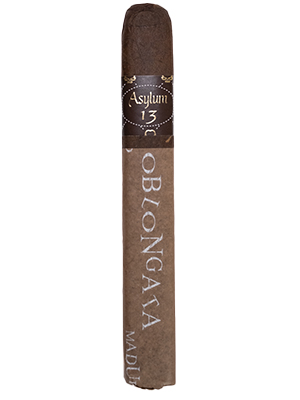
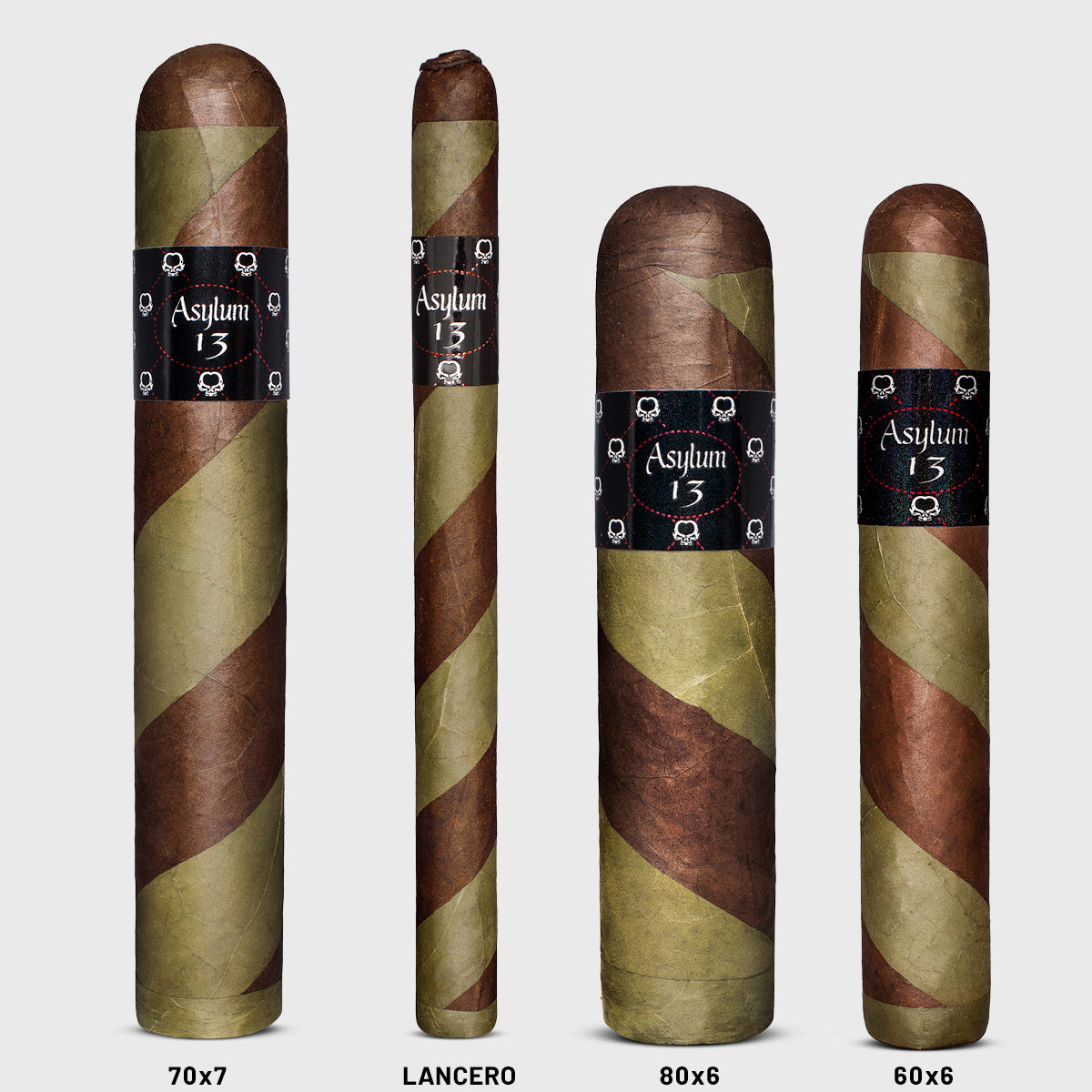
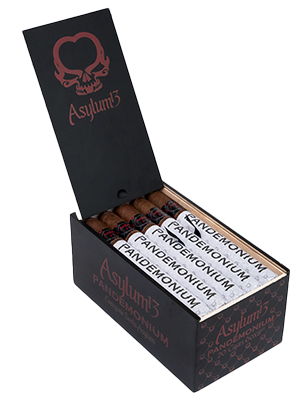
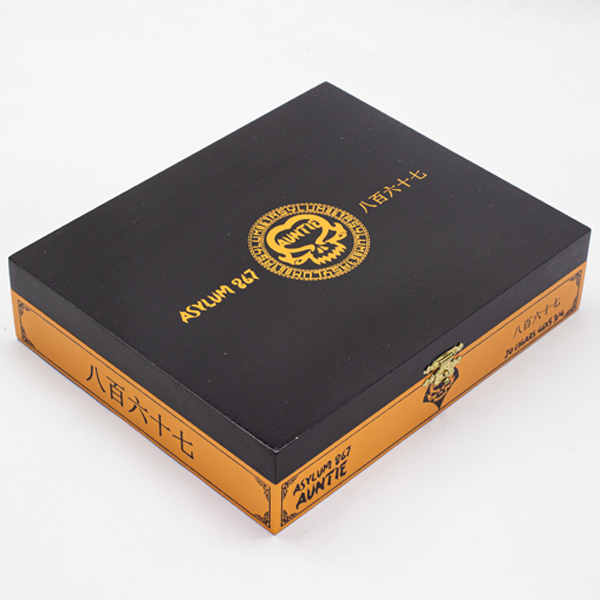
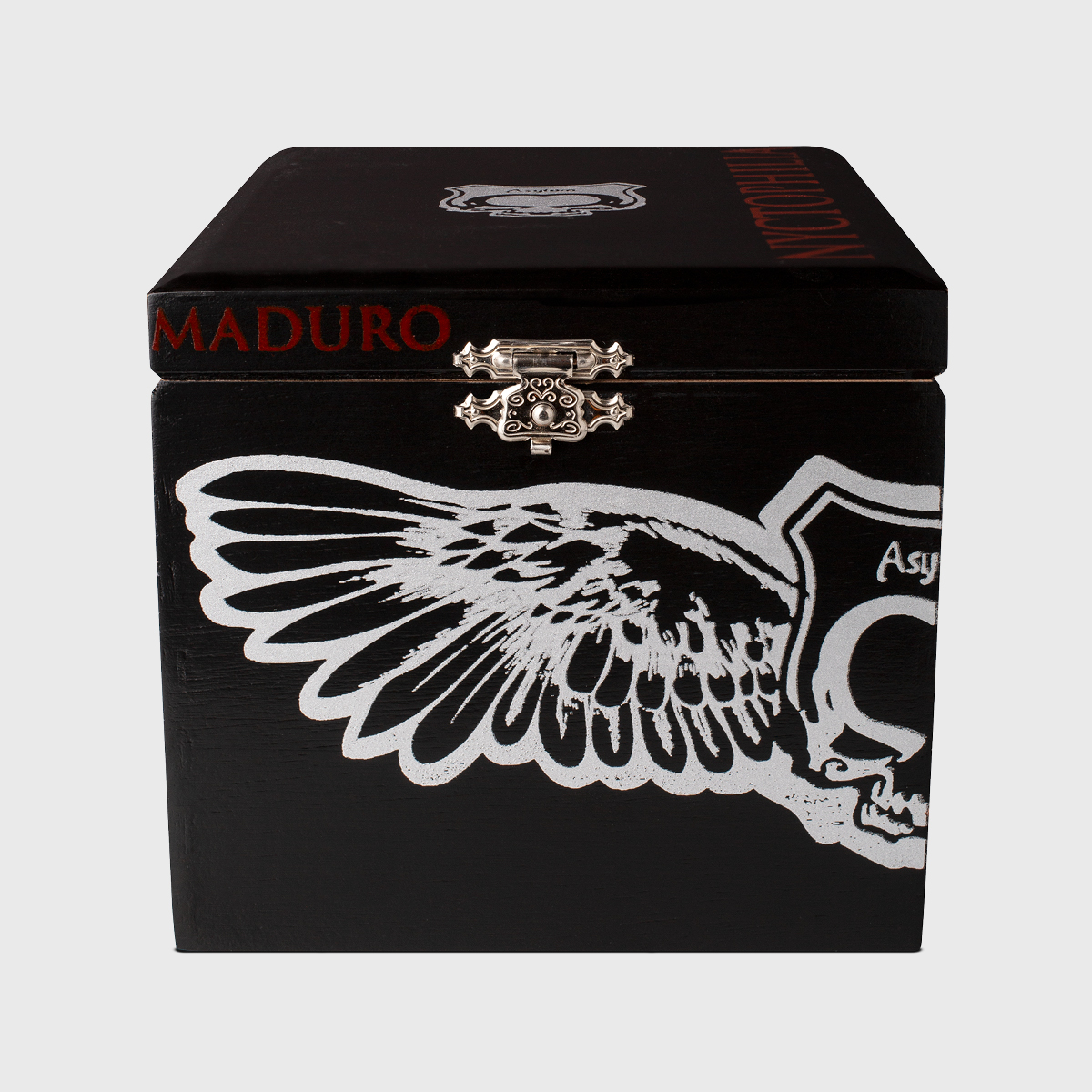
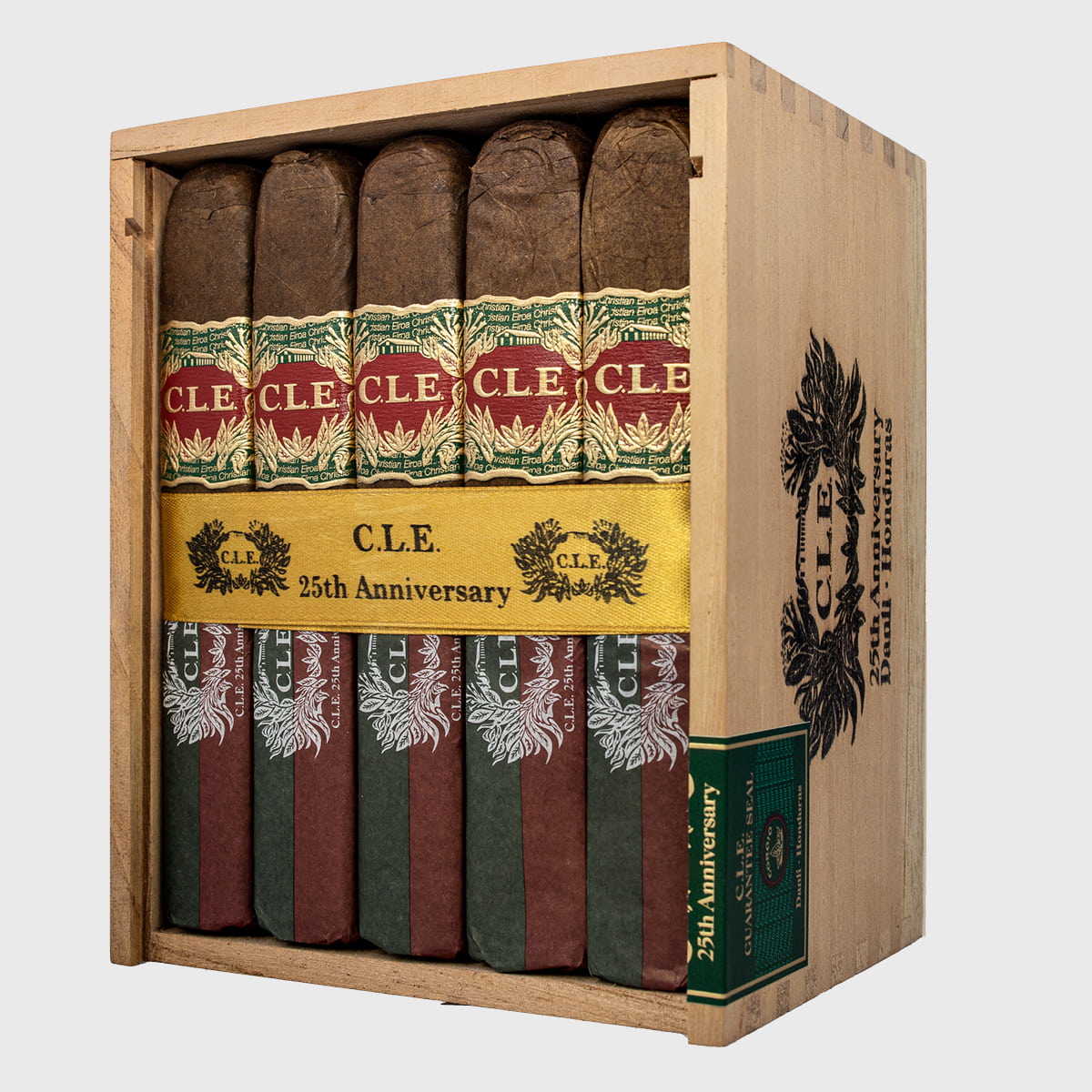
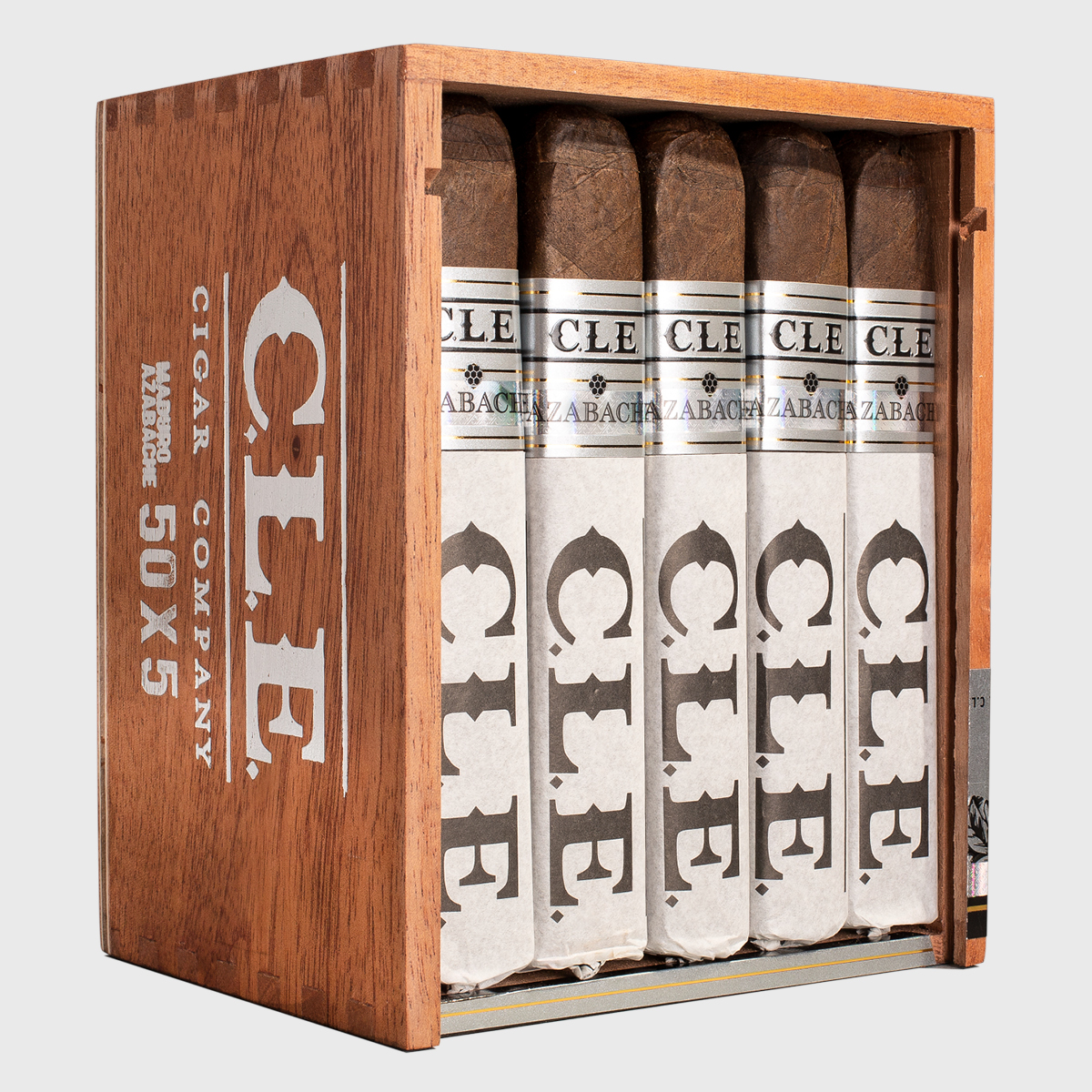
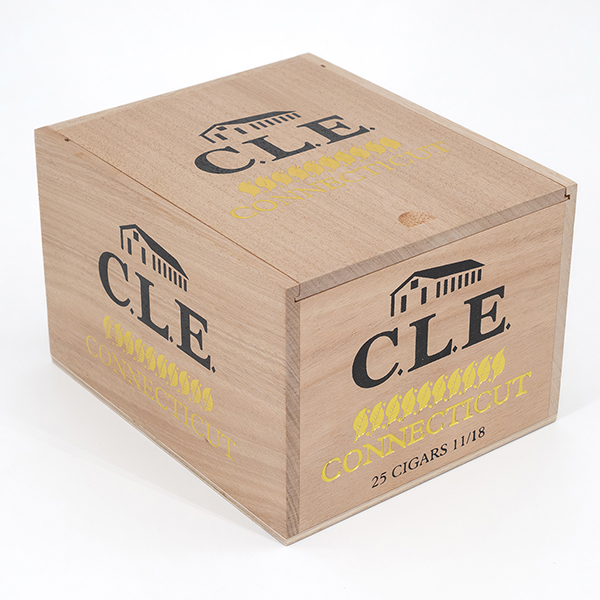
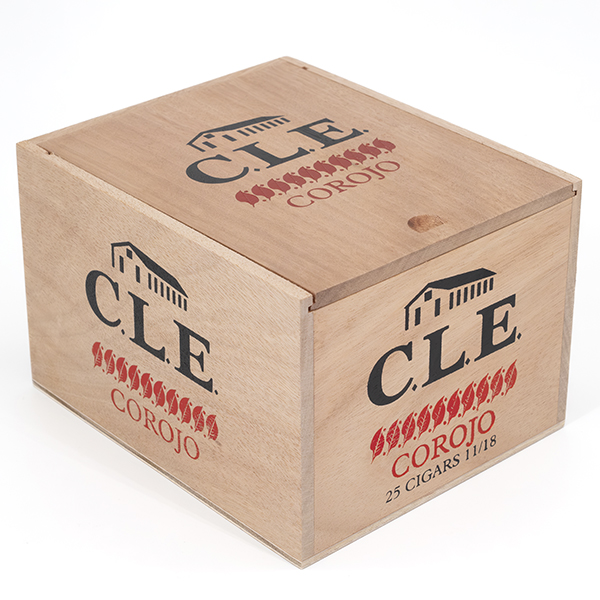
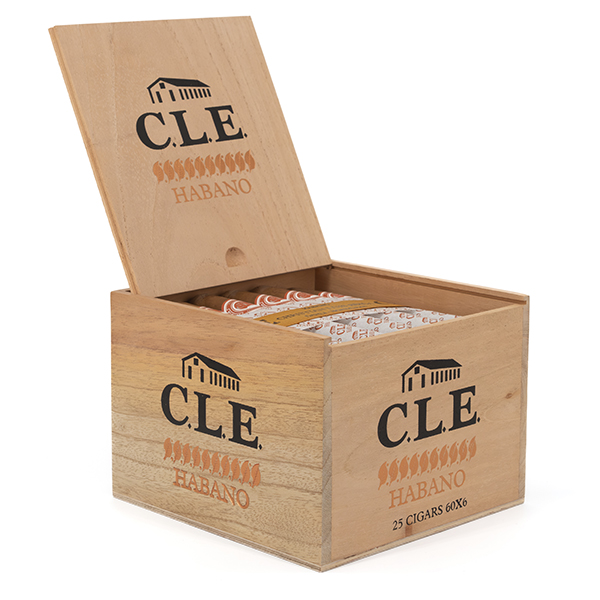
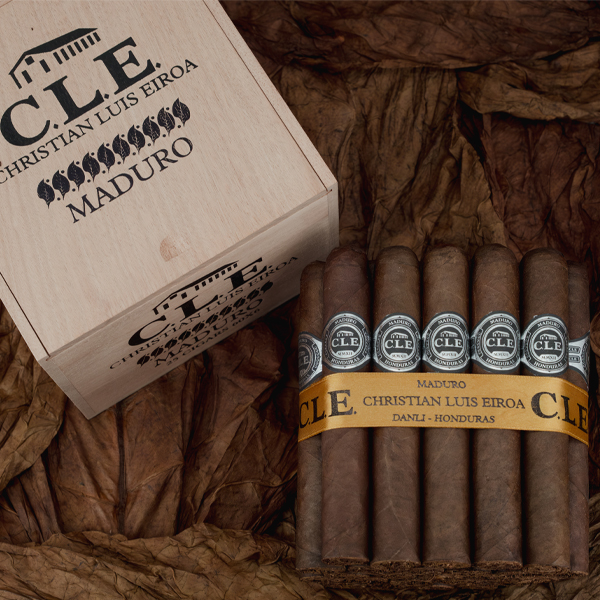
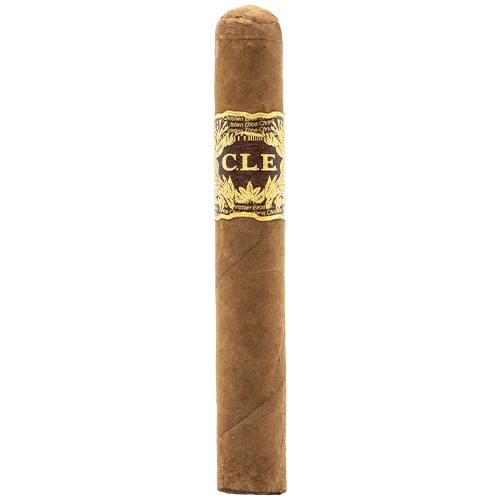
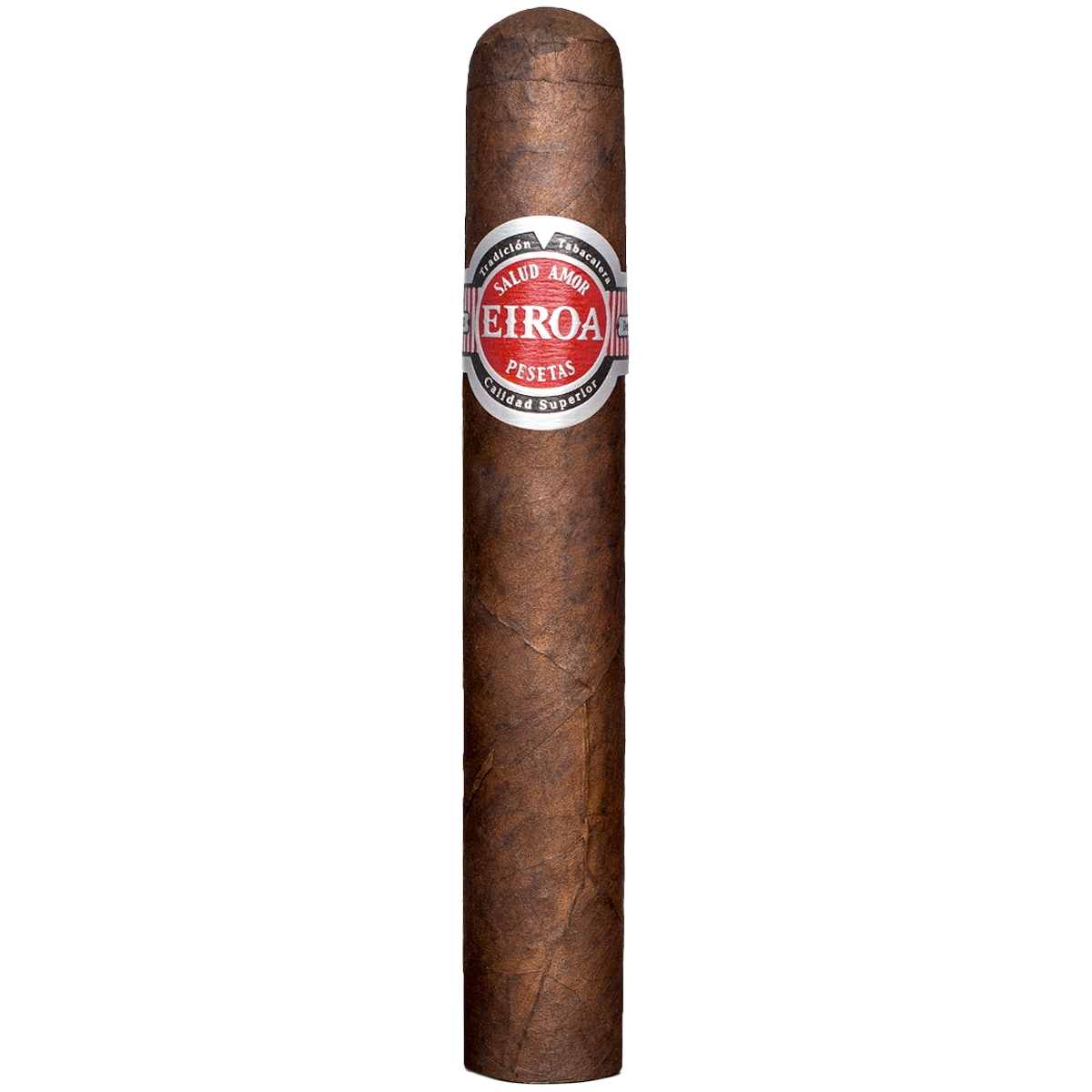
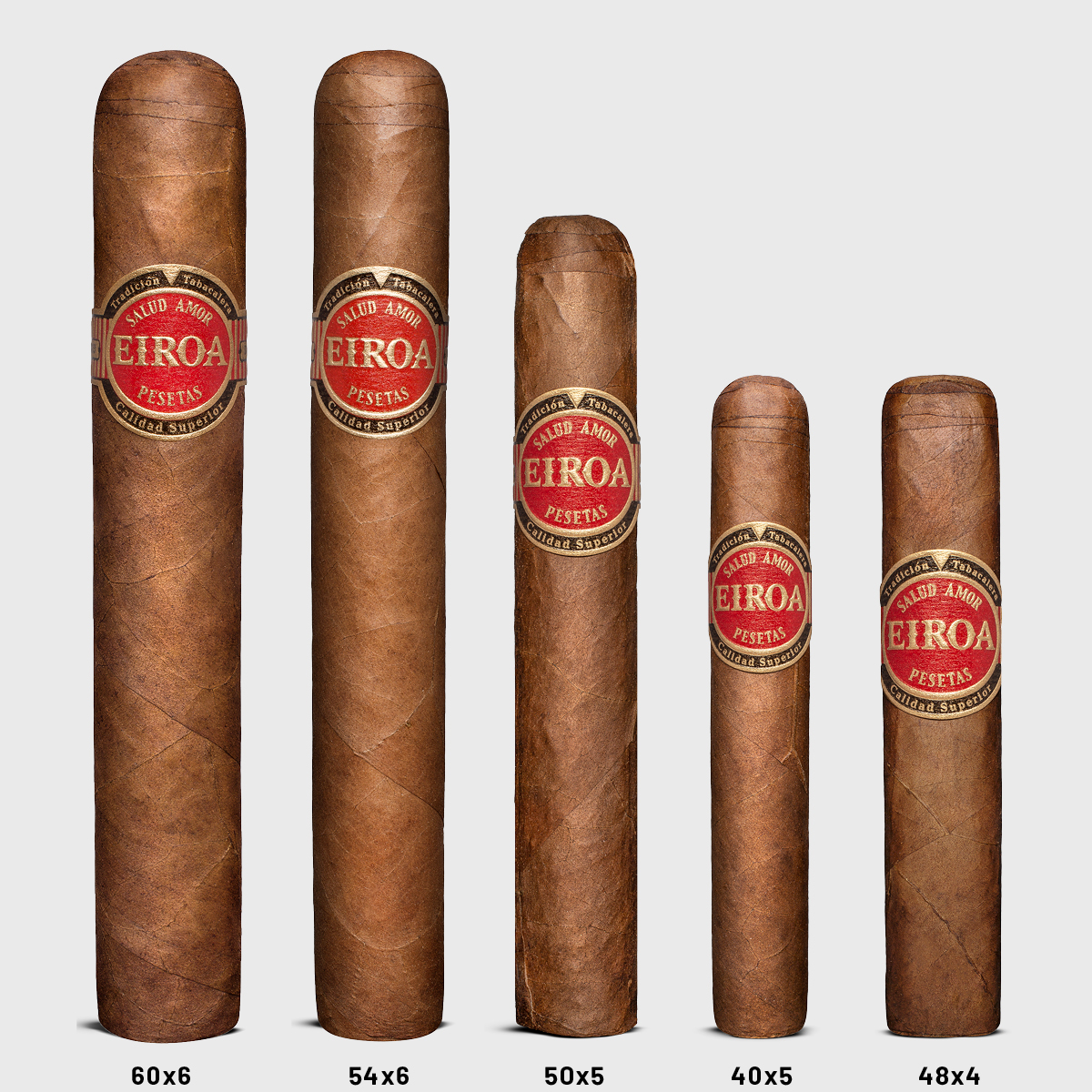
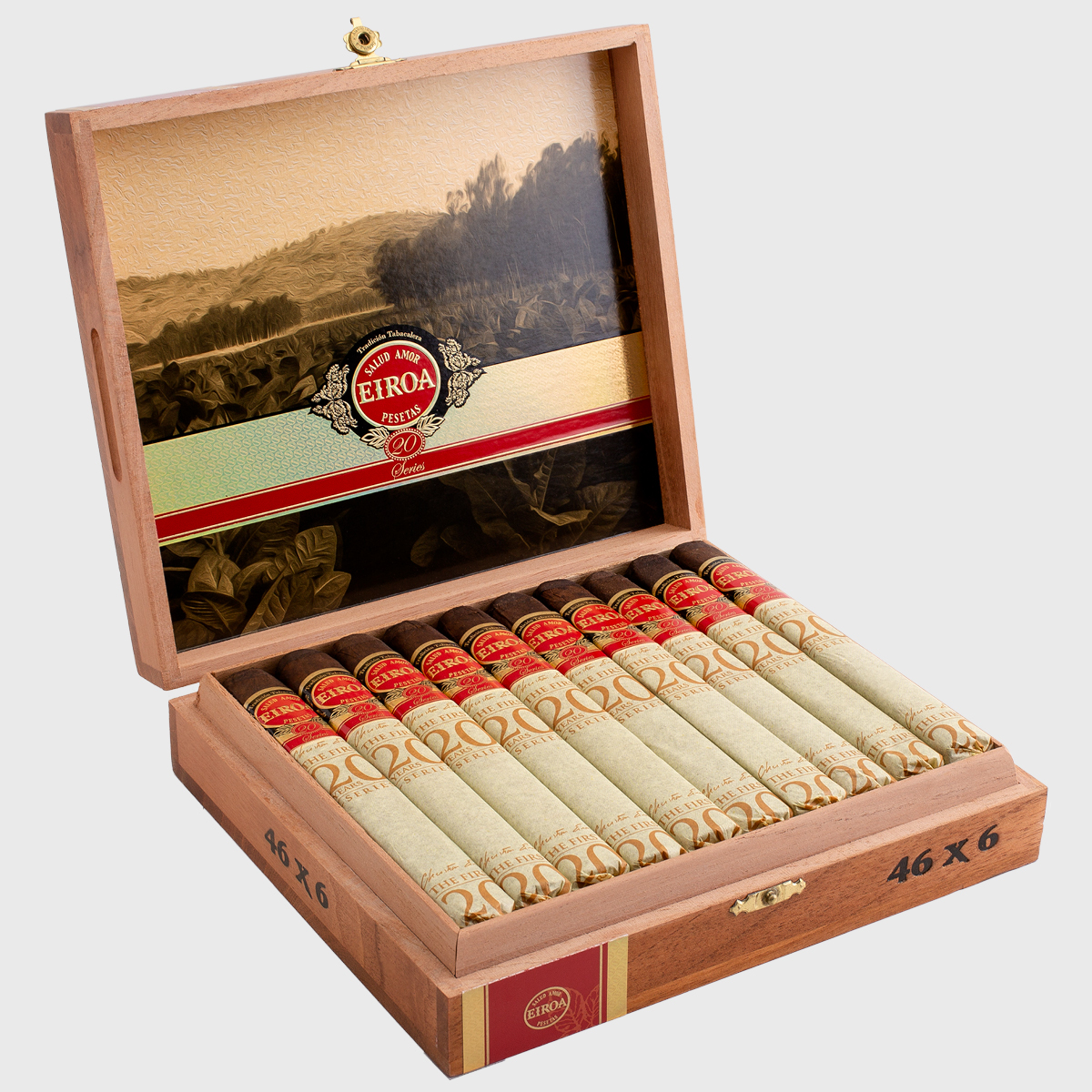
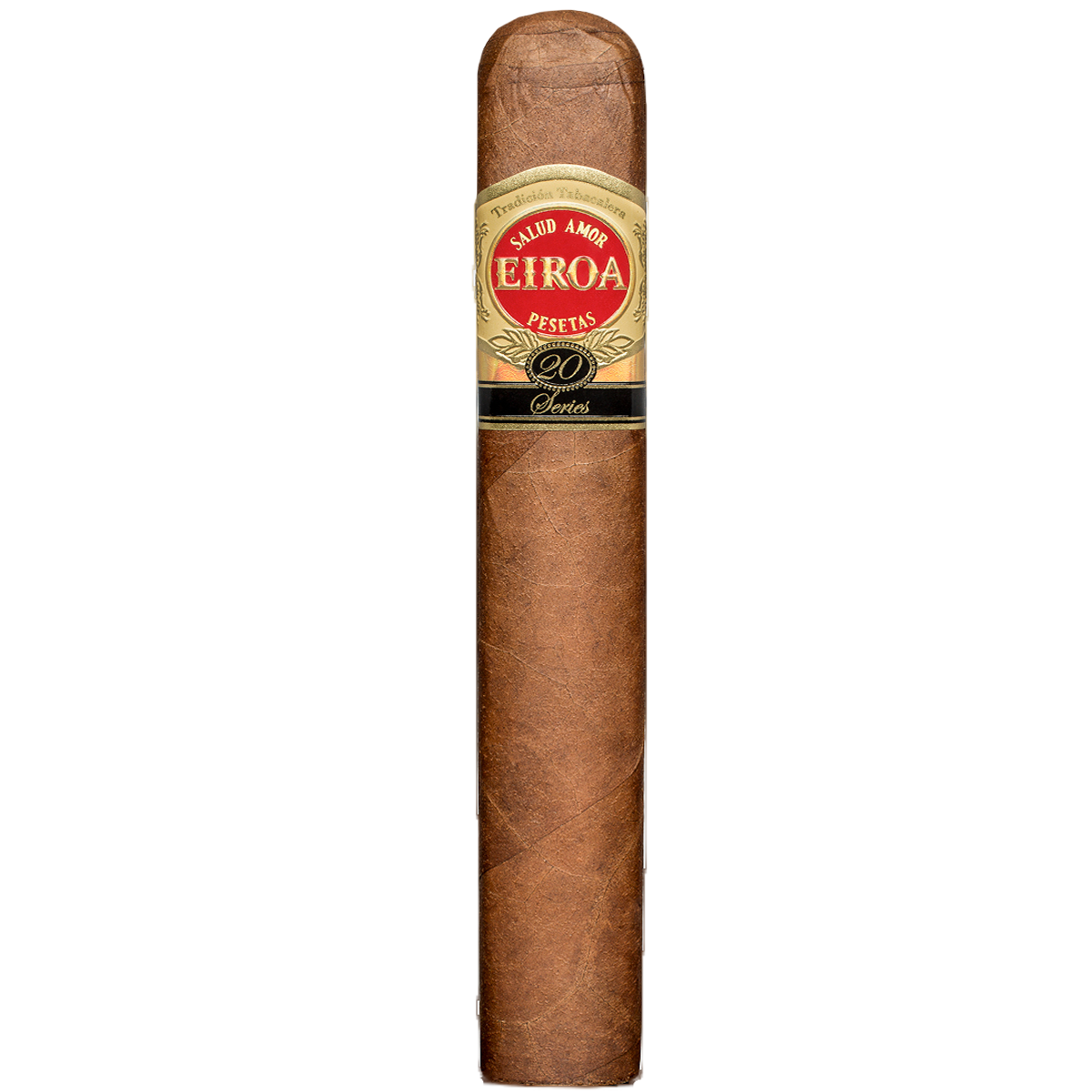
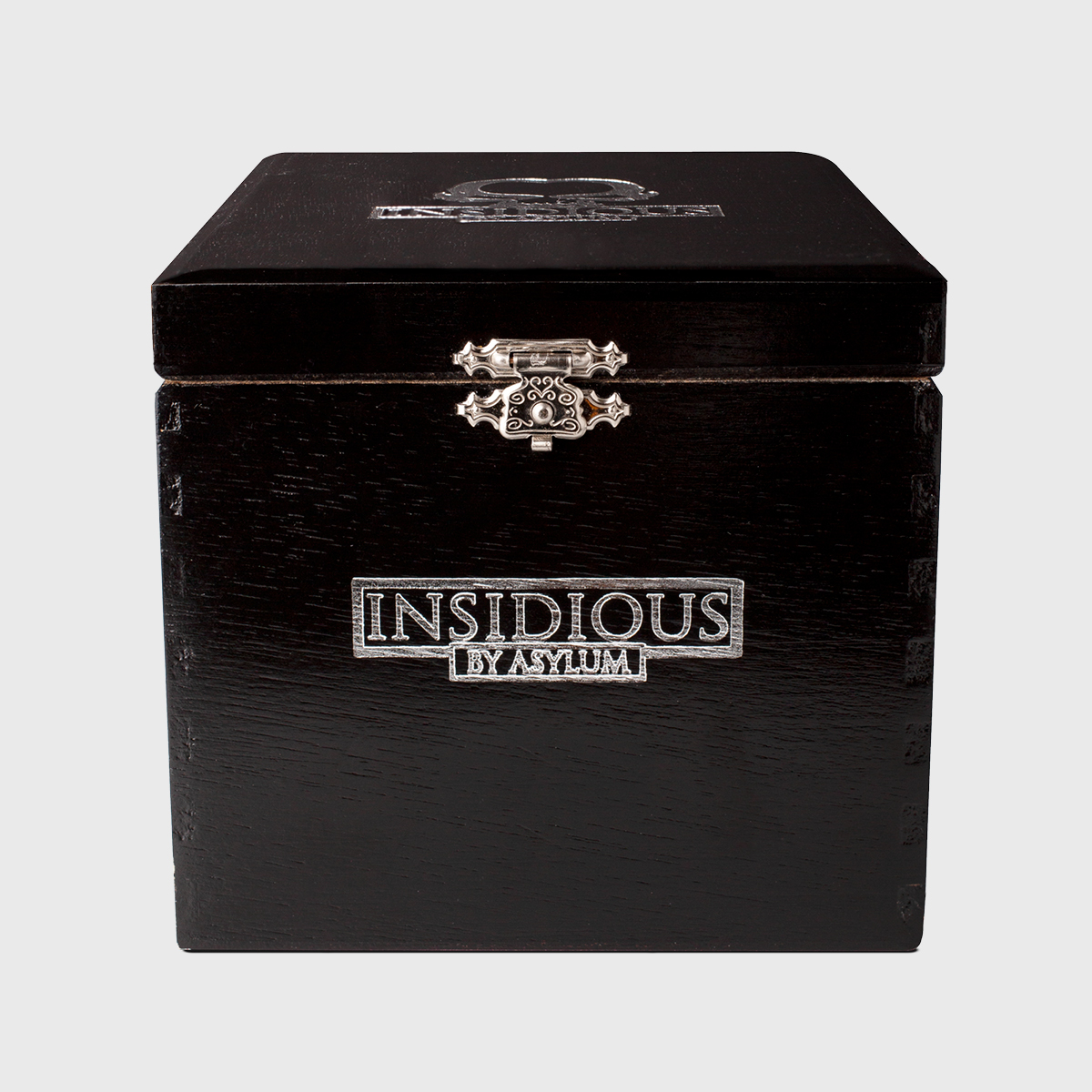
In 2012, Christian launched C.L.E. Cigar Company, naming it with his own initials and rooting it squarely in the Honduran Corojo tradition that defines his family's legacy. Production is centered at the Eiroa family's Honduran operations, where Authentic Corojo tobacco grown on El Corojo farm provides the backbone for the flagship CLE Corojo line — widely regarded as one of the purest expressions of true Corojo character available in the non-Cuban market today. The portfolio expands from there into the CLE Connecticut and the milestone 25th Anniversary blend, while the family-tribute EIROA line and the 1916 Tabacalera Eiroa pay homage to Christian's great-grandfather, who began growing tobacco on this same land more than a century ago. And for smokers who want something decidedly bigger, CLE's partnership with Tom Lazuka produced Asylum Cigars — a brand that popularized giant ring-gauge formats like the 6x60, 7x70, and the legendary 8x80, introducing an entirely new dimension to what a premium handmade cigar could be.