Aged Reserve
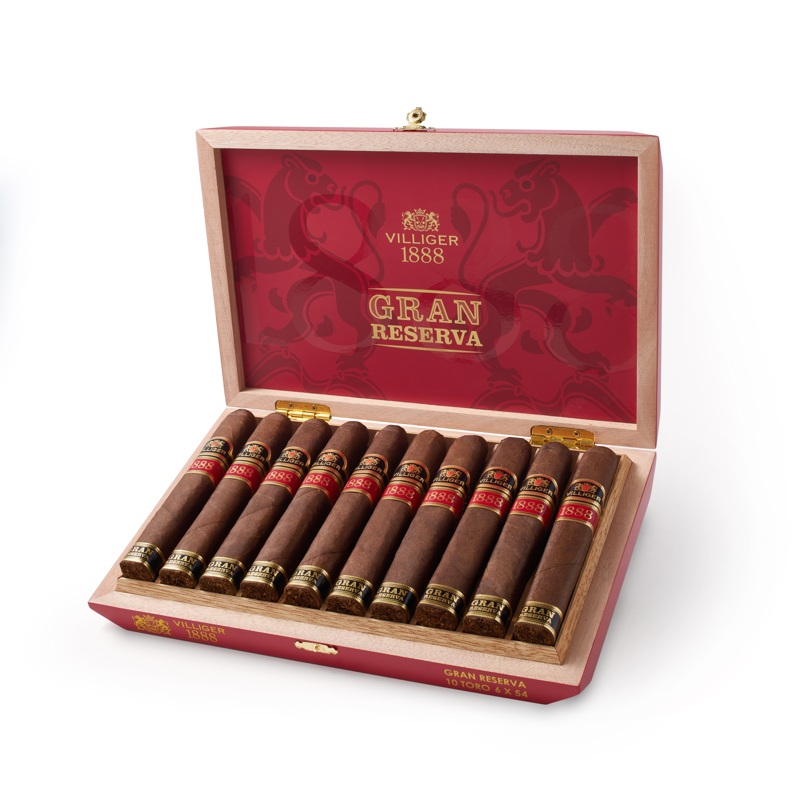
Villiger 1888 Gran Reserva
The Villiger 1888 Gran Reserva is a limited‑edition, box‑pressed 6×54 toro built around a Mexican San Andrés wrapper, Ecuadorian Habano binder and Nicaraguan filler. Leaf and rolled cigars undergo extended aging to concentrate flavor into a medium‑to‑medium/full smoke.
Sizes
Gran Reserva (6.0" x 54)Strength
Medium-FullCountry of Origin
NicaraguaWrapper
Mexican San AndrésBinder
Ecuadorian HabanoFiller
NicaraguanYear Released
2025Flavor Profile
Leather, roasted coffee, black pepper, nuts, cocoa, earthGran Reserva is about process: tobaccos aged in bales for at least two years and cigars given roughly a year of post‑roll rest before release. That aging tightens the flavors and yields a denser mouthfeel than younger 1888 variants. The blend—San Andrés wrapper, Ecuadorian Habano binder and Nicaraguan filler—reads medium‑to‑medium/full, opening on leather and espresso with a steady black‑pepper retrohale and nutty, cocoa‑nib undertones. Dry earth and dark caramel threads appear as the cigar progresses; the box‑press produces a firm, concentrated smoke that favors roasted coffee and roasted‑nut texture rather than broad, sugary sweetness.
Articles & Reviews
Video Gallery
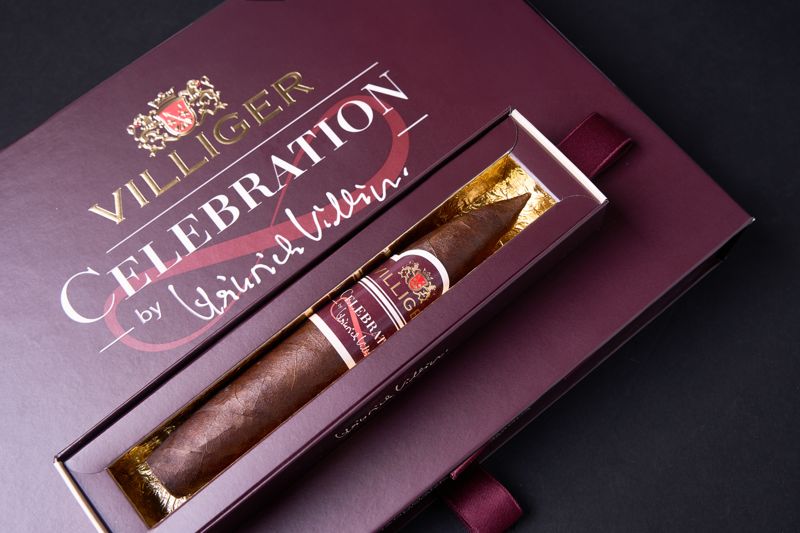 Celebration By Heinrich Villiger 2024
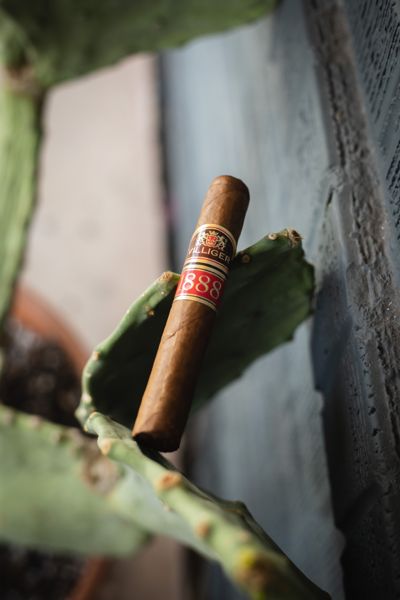 Villiger 1888 Dominican Republic
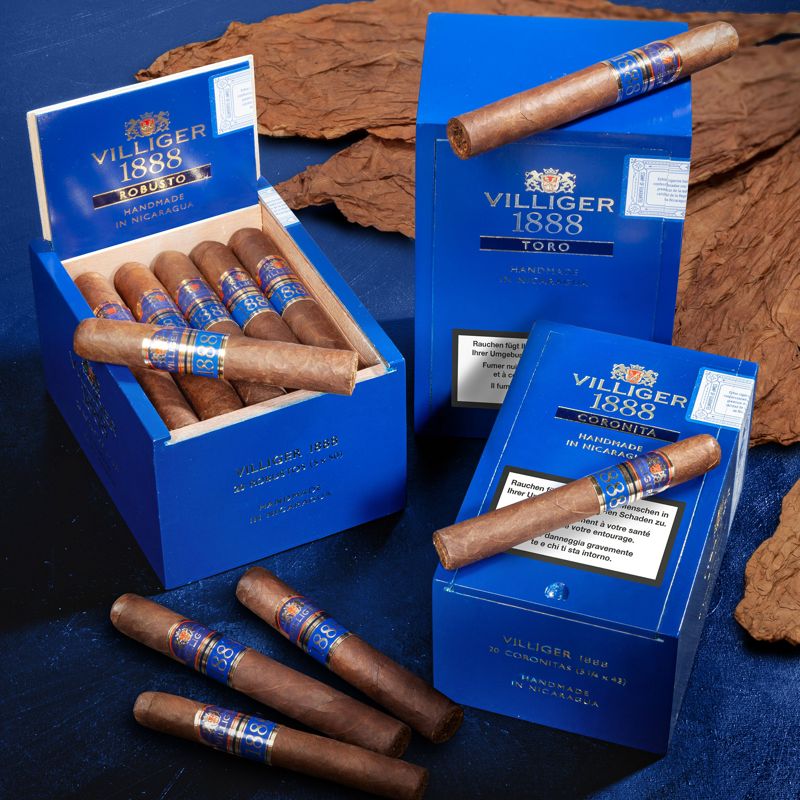 Villiger 1888 Nicaragua
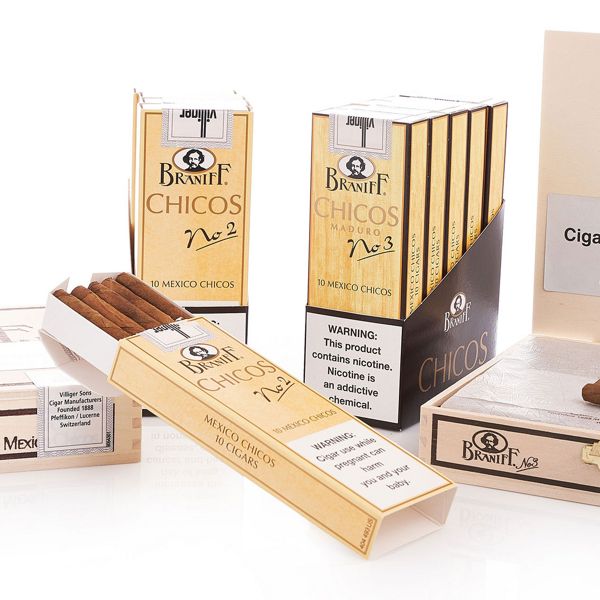 Villiger Braniff
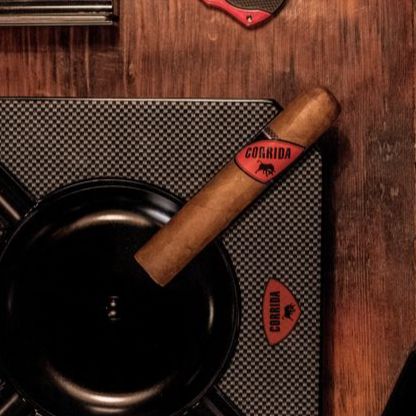 Villiger Corrida
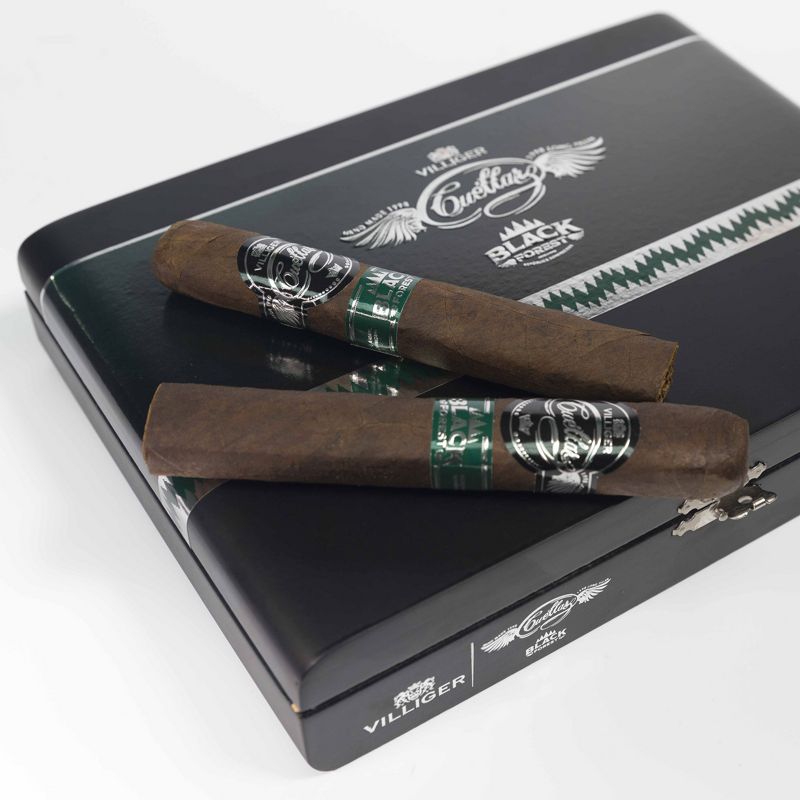 Villiger Cuellar Black Forest
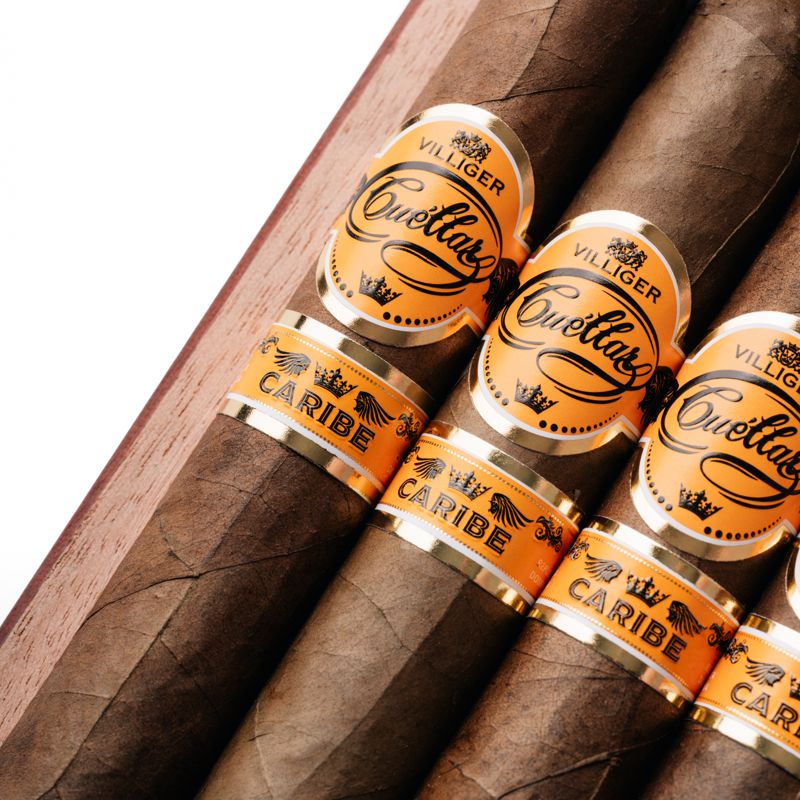 Villiger Cuellar Caribe
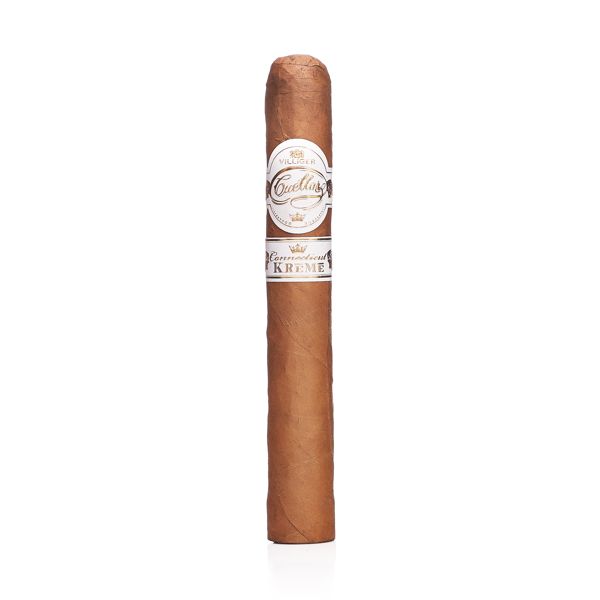 Villiger Cuellar Kreme
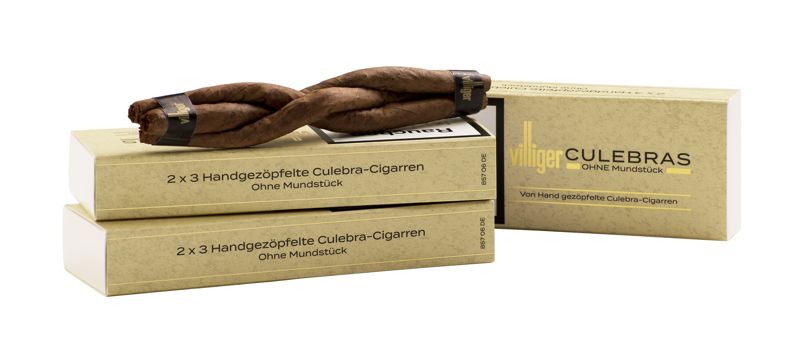 Villiger Culebras
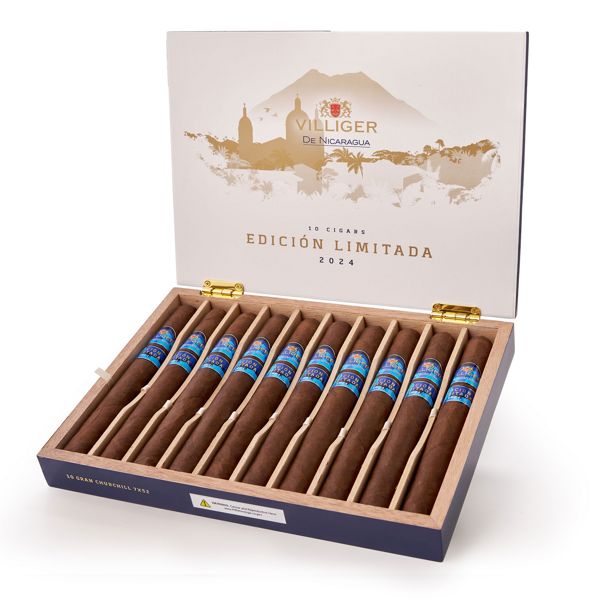 Villiger De Nicaragua - Edicion Limitada
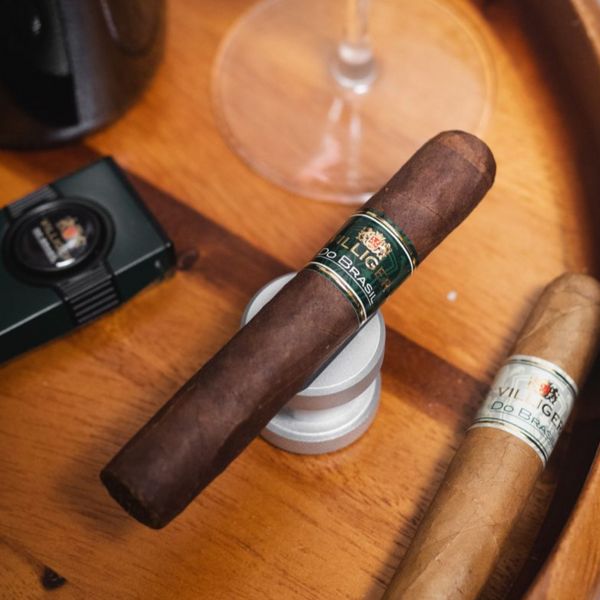 Villiger Do Brasil
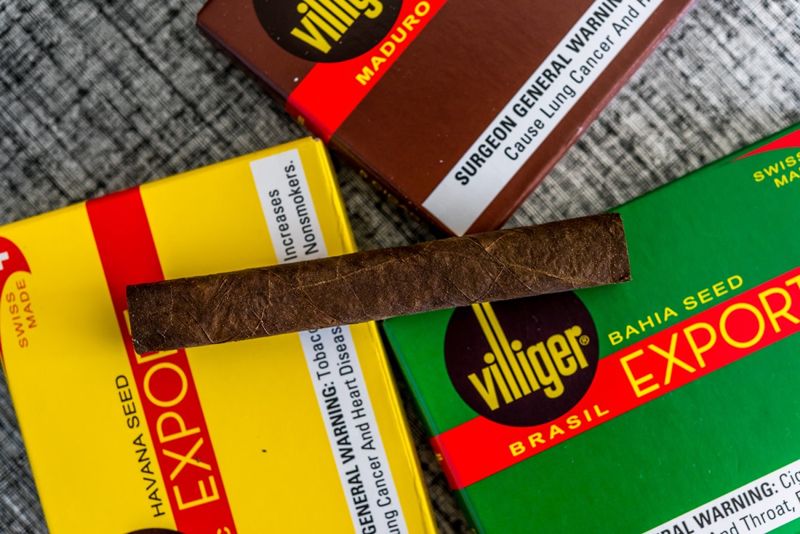 Villiger Export
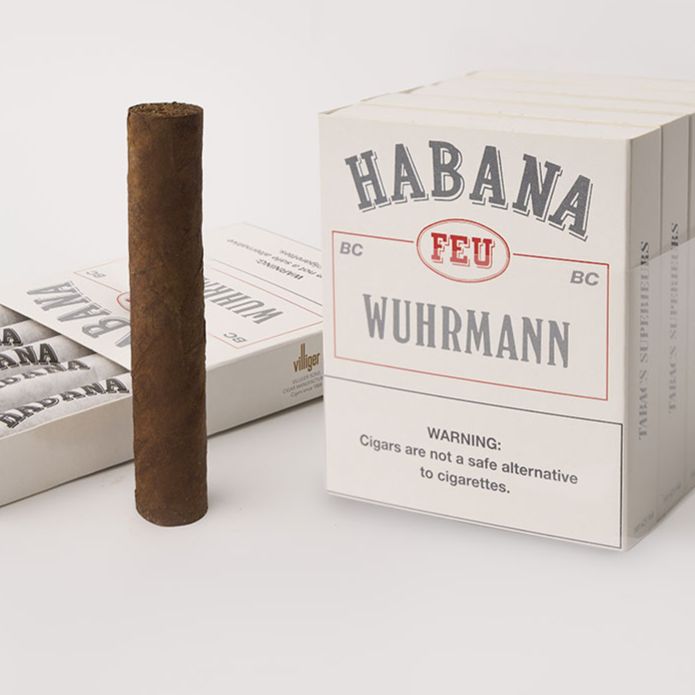 Villiger Habana Feu
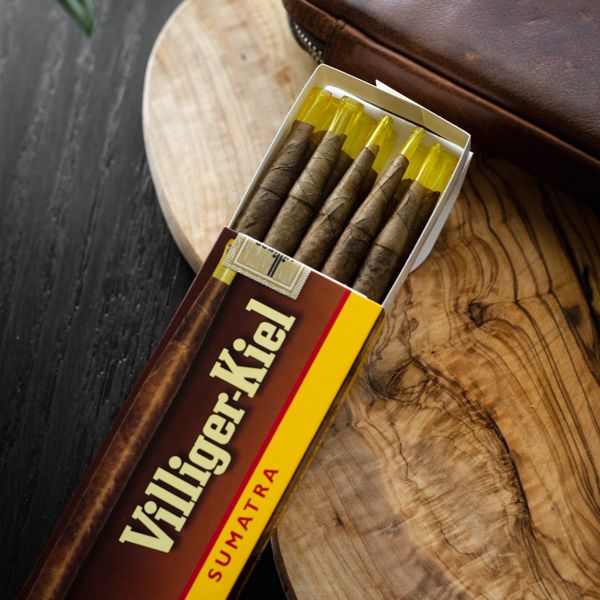 Villiger Kiel
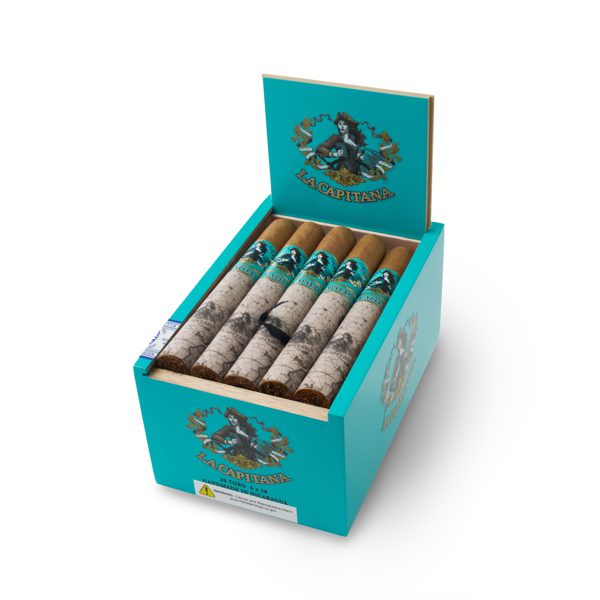 Villiger La Capitana
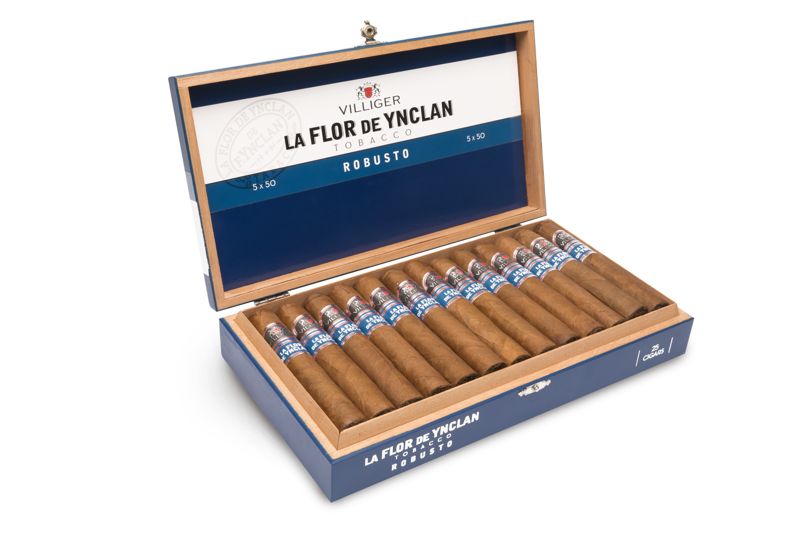 Villiger La Flor De Ynclan
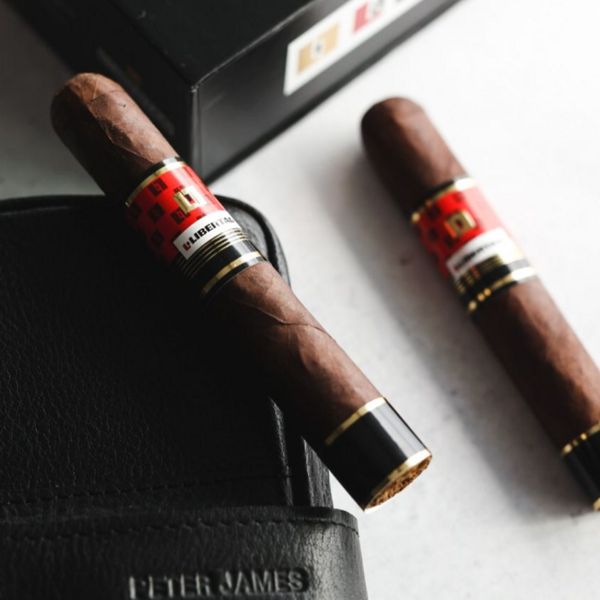 Villiger La Libertad
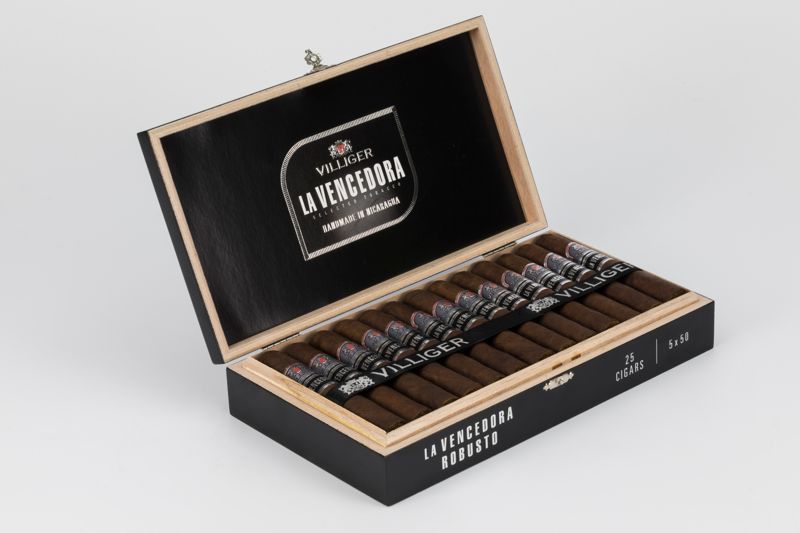 Villiger La Vencedora
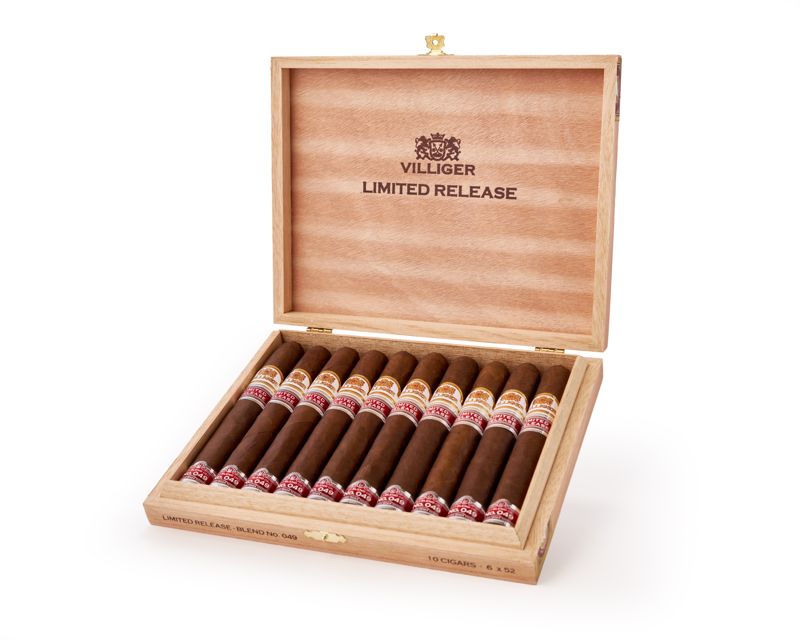 Villiger Limited Release No. 049
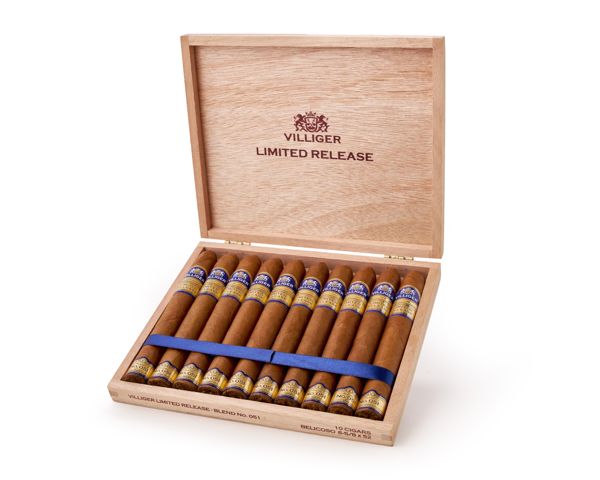 Villiger Limited Release No. 051
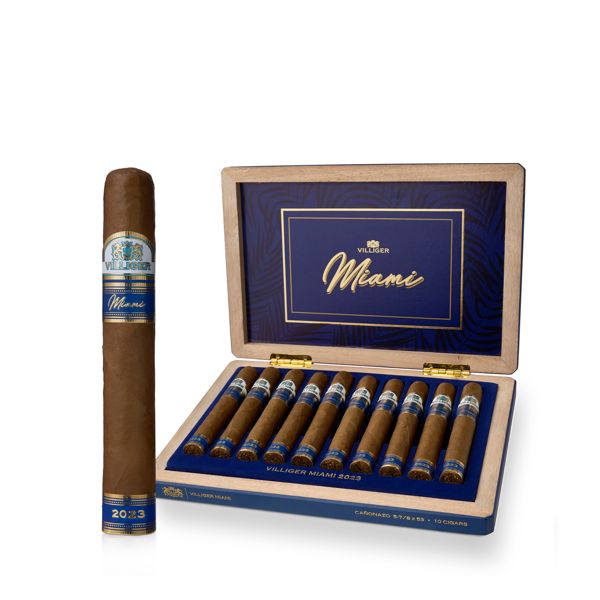 Villiger Miami
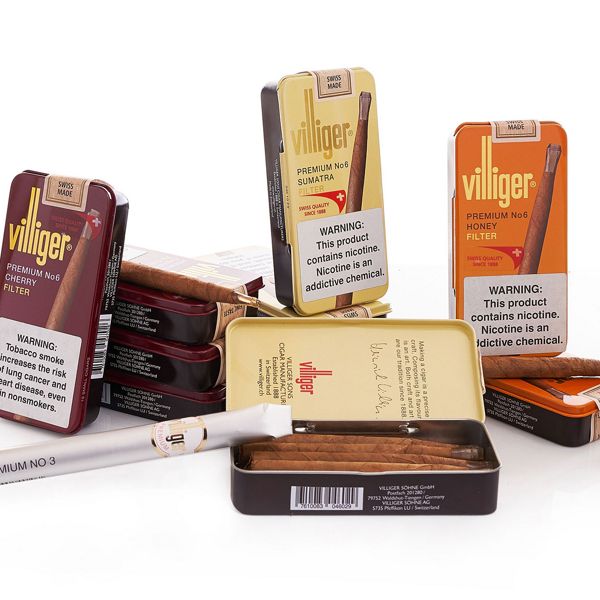 Villiger Premium Line
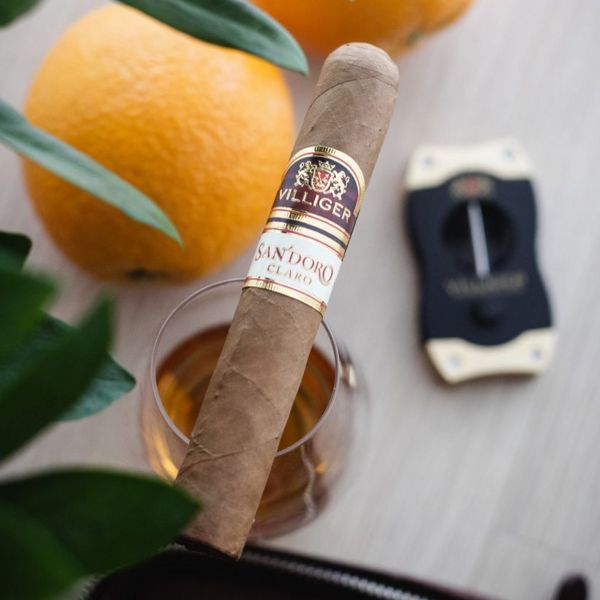 Villiger San'Doro Claro
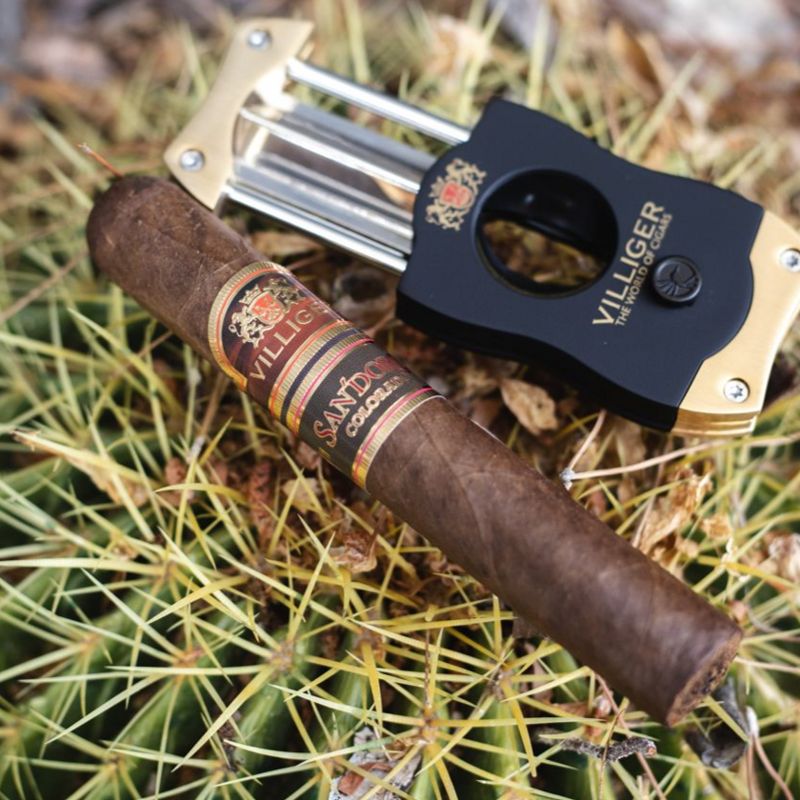 Villiger San'Doro Colorado
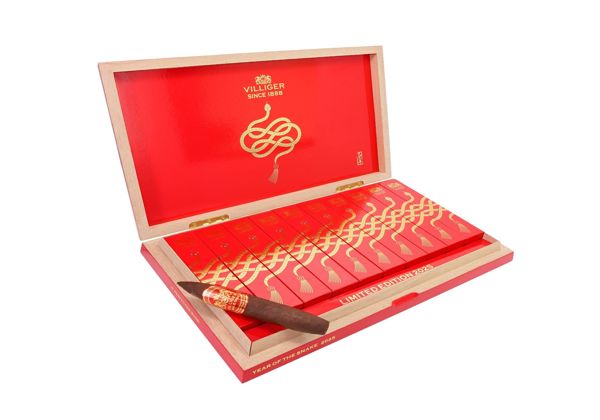 Villiger Year of the Snake