The Davidoff story begins in Kyiv in 1906, where Zino Davidoff was born into a family of tobacconists. When political unrest forced the family to flee Ukraine, his father Henri set up a small retail cigar shop on Rue du Marché in Geneva — and Davidoff of Geneva was born. But it was Zino who would transform that modest shop into a legend. At twenty years old he traveled to Argentina, Brazil, and especially Cuba, spending years learning the cigar from the ground up — calling it "a discovery, a wonder." He returned to Geneva with a depth of knowledge few could match, and set about reinventing not just what a premium cigar could be, but how it should be stored and experienced. Among his lasting contributions to the cigar world was the invention of the climate-controlled humidor in the 1930s, a practice that is now standard throughout the industry, and a philosophy that would define the brand forever: smoke less, but better.
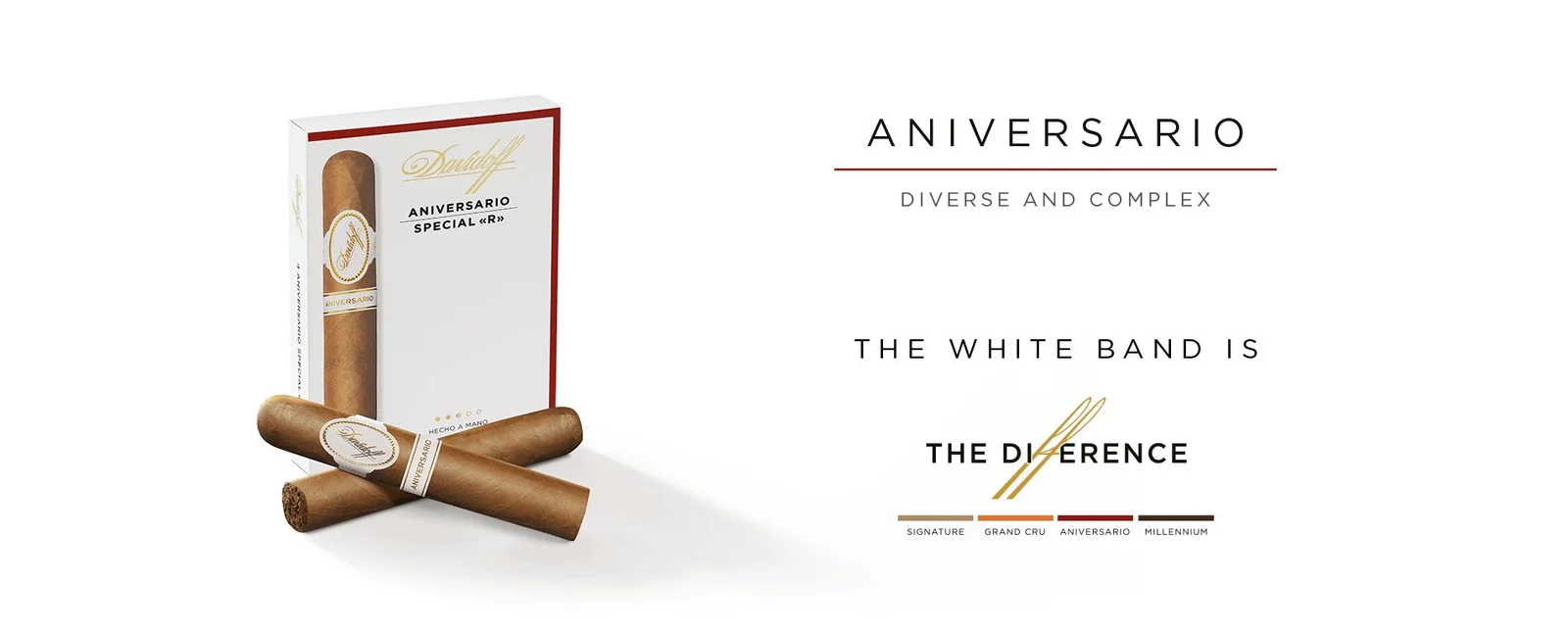
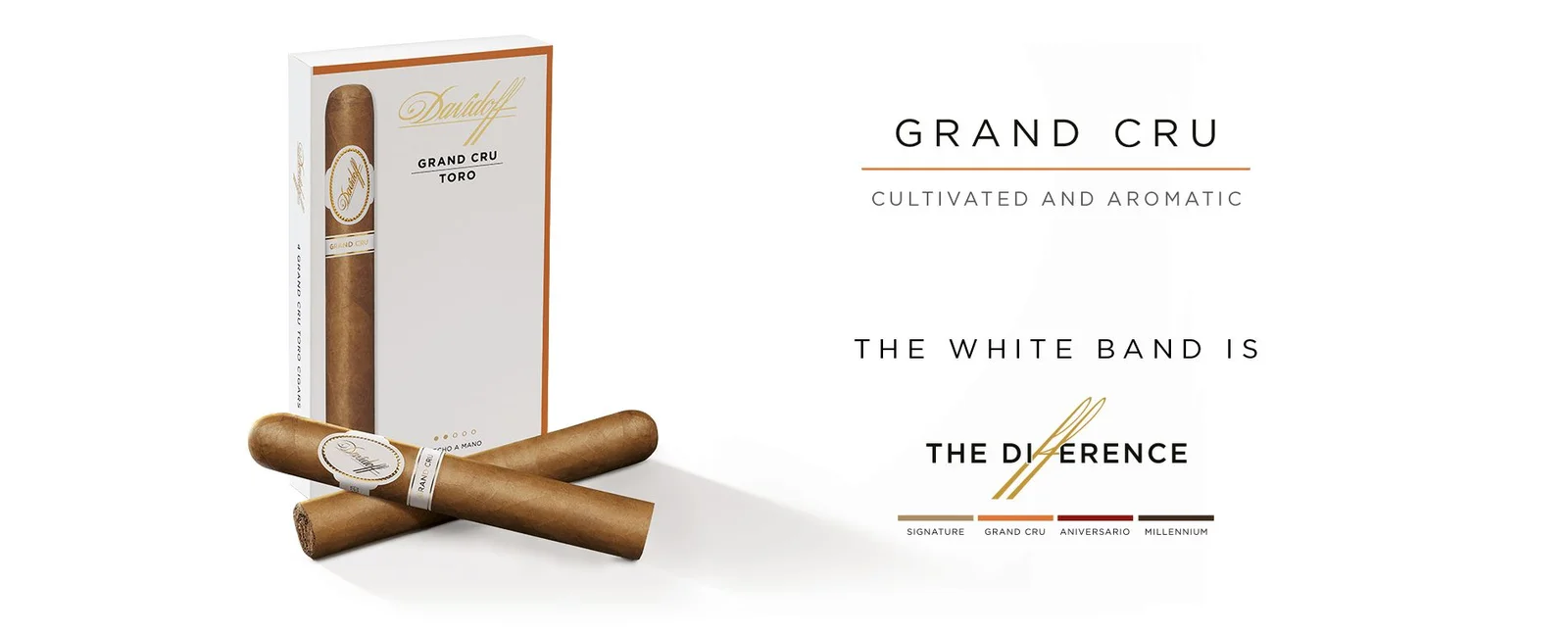
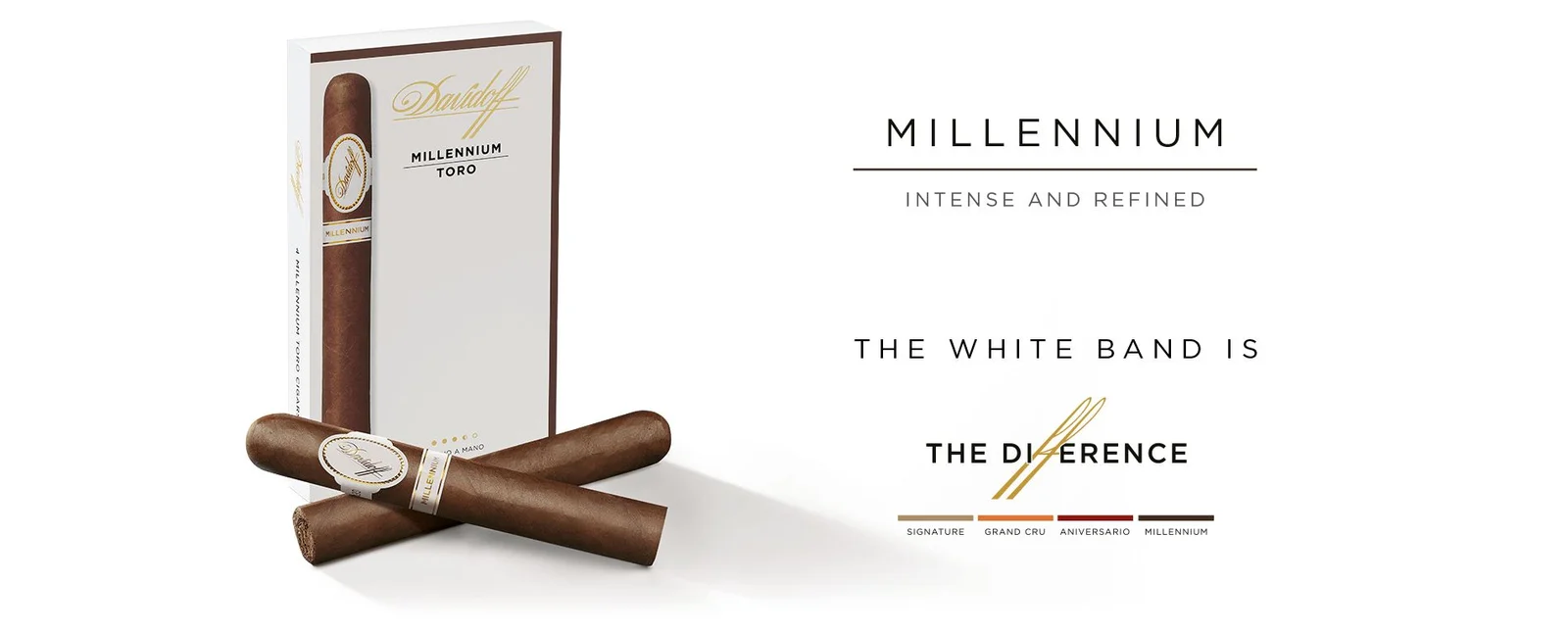
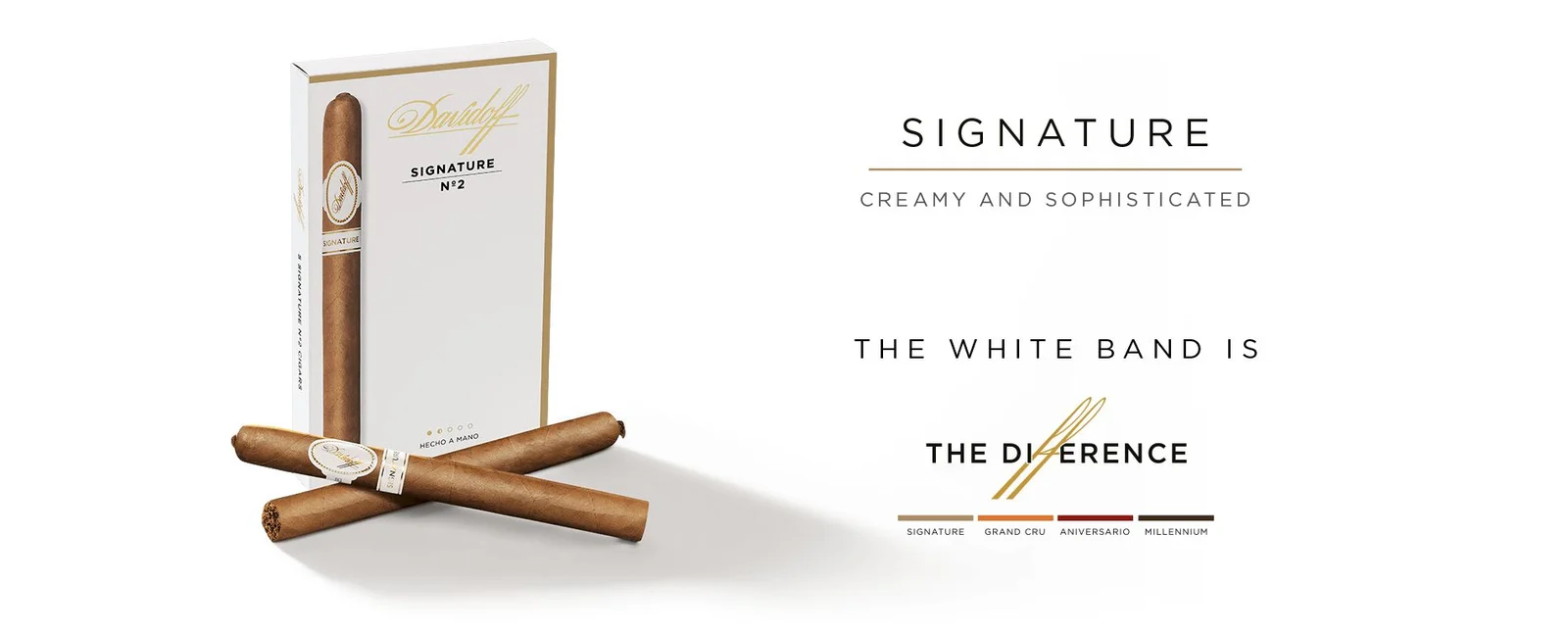
In 1967, Cubatabaco — Cuba's state-run cigar organization — approached Davidoff with the idea of making a Cuban cigar in the family name, and the first cigars officially bearing the Davidoff band were released in 1968, rolled at Havana's El Laguito factory, the same facility built to produce Fidel Castro's personal cigars. When quality disputes with Cuba led to a dramatic split — and a very public burning of thousands of substandard cigars — Davidoff pivoted to the Dominican Republic, where the brand's modern identity was forged. The Grand Cru line launched as the flagship of the new Dominican era, featuring premium handrolled tobacco that carries on today, alongside iconic collections including the Signature, Aniversario, Millennium, and Winston Churchill series. Today, Davidoff remains the benchmark for luxury premium cigars worldwide — a brand built on one man's insatiable pursuit of perfection and his belief that a great cigar is one of life's finest pleasures.